Avenues Recovery Center at Richmond
Overview
Community-oriented residential treatment for substance use and co-occurring mental health conditions with daily 12-step meetings and help with workforce re-entry. Clients can start with seven-day withdrawal management (detox) when needed, supervised by doctors and nurses. Medications for addiction treatment (MAT) may be prescribed to ease symptoms and provide comfort through this process. In residential care, five to seven groups are held each day, and one-on-one therapy takes place once a week. Family and couples counseling is also offered. Weekend activities include recreational group outings and cookouts. This facility accepts private insurance, TRICARE, and self-pay.


Ages Served
- Adults (Ages 26-64)
Genders Accepted
- Female
- Male
Languages Served
- English
Treatment
- Intensive outpatient treatment (IOP)
- Long-term residential
- Outpatient day treatment or partial hospitalization
- Outpatient detoxification
- Regular outpatient treatment
- Residential detoxification
- Short-term residential
Special Programs
- Adult men
- Adult women
- Mental health disorders
Similar Facilities
Loading...
No results for your current selections
View all facilities-
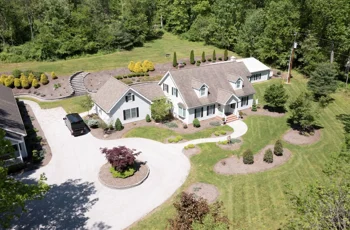 Britelife Recovery at Hanover
Hanover, Pennsylvania
-
 Mount Regis Center
Salem, Virginia
-
 Life Center of Hillsville
Hillsville, Virginia
-
 Life Center of Galax
Galax, Virginia
-
 White Deer Run of York
York, Pennsylvania
-
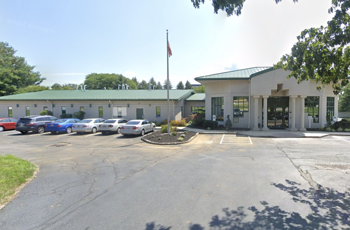 White Deer Run of York at Mt. Zion
York, Pennsylvania
-
 Bowling Green Brandywine
Kennett Square, Pennsylvania
-
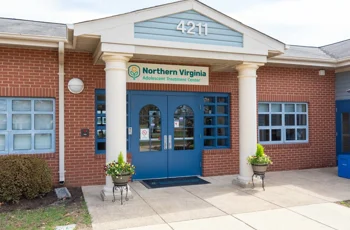 Northern Virginia Adolescent Treatment Center
Chantilly, Virginia
-
 Arrowwood
Hopewell, Virginia
-
 Helping Up Mission
Baltimore, Maryland
Who is this facility a good fit for?
Best fit if: Adults who need residential treatment for substance use and co-occurring mental health needs; require on-site withdrawal management (detox); want 12-step integration with daily meetings and peer community; looking for help re-entering the workforce; have private insurance, TRICARE, or can self-pay.
Not a fit if: Those who need acute, hospital-level treatment; prefer a non-12-step approach; looking for private rooms or luxury accommodations; want outpatient-only care; have Medicaid, or are uninsured and unable to self-pay.
What to expect
Developing your care plan
- Adapted treatment journey: Clients and counselors sit down together to make a care plan suited to individual strengths and struggles. Mental health needs are considered and integrated in these plans.
- Personal focus: Topics emphasized, based on client goals and requirements, can include underlying trauma, emotional regulation, relationships, relapse prevention education, and life skills.
- Ongoing adjustment: As clients move through treatment, plans can be adjusted based on their progress, setbacks, and observations by therapists and other staff members.
- Workforce re-entry: Those who need help getting their career back on track receive focused programming centered around job skills and goals.
Who you will meet with
- Therapists: Individual therapy takes place once each week. Experienced therapists also lead daily groups.
- Psychiatrists: Mental health care is woven into treatment plans and treated alongside substance use by licensed psychiatrists.
- Medical team: Doctors and nurses help clients through withdrawal management, and tend to other health needs once they enter the residential phase.
- Peer community: Clients will live alongside others in recovery, allowing them to make long-term supportive connections with those who have been in their shoes.
Typical schedule
- Mornings: Clients wake up around 8:00 a.m. then have breakfast together. Afterward, they attend process groups, educational sessions, discussions, and peer activities.
- Daily group therapy: Between five and seven groups are held each day. Evidence-based methods used by counselors include cognitive behavioral therapy (CBT) and dialectical behavior therapy (DBT).
- 12-step groups: Twelve-step meetings, such as Alcoholics Anonymous (AA) and Narcotics Anonymous (NA), are held at the center every day.
- Holistic activities: Clients can participate in art and music therapy, yoga, and meditation.
- Family and couples counseling: When desired, loved ones can receive counseling to help repair bonds and work through issues together.
Living experiences and amenities
- Shared rooms and community spaces: Bedrooms are shared with at least one other person. Peers can spend time together in a lounge with a TV, or relax outside.
- Fitness: Clients can work out at the gym or play sports together in the facility’s basketball court.
- Weekend activities: Groups frequently go on outings together on Saturdays or Sundays. When the weather is nice, staff may also organize cookouts.
Aftercare
- Step-down arrangements: Before clients graduate from residential treatment, staff can help connect them with outpatient care, such as partial hospitalization (PHP) or intensive outpatient (IOP). Other types of aftercare planning can also be discussed.
- Alumni support: People can keep in touch with peers and the recovery community through alumni events, get-togethers, and social media channels.
Pre-Admissions Experience
We conducted a series of pre-admissions calls, the most recent on May 12, 2026, to evaluate response time, transparency, and patient experience.
When we reached out to Avenues Recovery Center, the admissions team was prompt and helpful. They clearly walked through withdrawal management procedures, types of groups, and amenities. The conversation felt transparent, with explanations around cost, insurance, and treatment basics.
Facility Transparency
- Verified by Start Your Recovery: On May 16, 2026, our research team conducted a comprehensive review of this facility's advertising claims, registrations from public health departments, national accrediting bodies, and SAMHSA.
- Pre-Admissions Experience Evaluation: Most recent call conducted on May 12, 2026.
Cost and Insurance
Insurance Accepted
-

-

-

-

-

-

-

-

-

- Other Private Insurance

Disclaimer: Additional insurance plans may be accepted. Please contact the provider directly to confirm current coverage details, as this information may change.
Financial Assistance
- Does not offer Free
- Does not offer Payment assistance
- Does not offer Sliding fee scale
Nearby Facilities
Loading...
No results for your current selections
View all facilities-
Arrowwood
Hopewell, Virginia
-
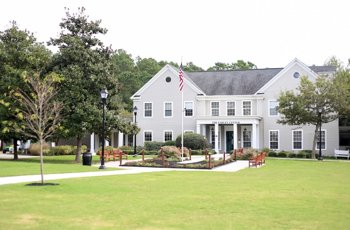 Farley Center
Williamsburg, Virginia
-
 Poplar Springs Hospital
Petersburg, Virginia
-
 Warriors Heart
Milford, Virginia
-
Safe Space Residential LLC
Glen Allen, Virginia
-
Faith Recovery
Williamsburg, Virginia
-
 Williamsville Wellness - Residential Programs
Hanover, Virginia
-
Richmond Behavioral Health Authority - North Campus
Richmond, Virginia
Treatment
Treatment Setting
- Intensive outpatient treatment (IOP)
- Long-term residential
- Outpatient day treatment or partial hospitalization
- Outpatient detoxification
- Regular outpatient treatment
- Residential detoxification
- Short-term residential
Treatment Approaches
- 12-step program support
- Cognitive behavioral therapy (CBT)
- Motivational interviewing
- Substance use counseling
Additional Support and Services
- Mental health support
Counseling and Education
- Couples counseling
- Family therapy
- Group therapy
- Job training and educational support
Transition Support
- Ongoing recovery care
Medication-Based Treatments
- Medication for mental disorders
Amenities and Experiences
Amenities
- Relaxation lounge
Room Amenities
- Air conditioned rooms
- Private rooms
- Shared room options
Activities
- AA/NA Meetings
- Art therapy
- Music therapy
- Yoga
- Job training
- Life skills workshops
- Offsite outings
- Spiritual or faith-based services
Settings
- City
Policies
- Allows internet access
Ownership Type
- For-profit
Quality and Trust
The Joint Commission
The Joint Commission is one of the most trusted names in healthcare. If a rehab center has this accreditation, it means they meet strong national standards for safety, treatment quality, and staff training.
Learn morePopular Destinations
Loading...
-
Mount Regis Center
Salem, VA
-
Arrowwood
Hopewell, VA
-
 Keystone Retreat Behavioral Health
Ephrata, PA
-
 Alpas Wellness Maryland Recovery Center
La Plata, MD
-
 Recovery Centers of America at Bracebridge Hall
Earleville, MD
-
 Recovery Centers of America Capital Region
Waldorf, MD
-
 The Recovery Team - Delray Beach
Delray Beach, FL
-
 Boca Recovery Center
Pompano Beach, FL
-
 Boca Recovery Center
Galloway, NJ
-
 Monarch Shores
Dana Point, CA
-
 Wilmington Treatment Center
Wilmington, NC
-
 Cove Forge Behavioral Health
Williamsburg, PA
Loading...
No results for your current selections
View all facilities in CaliforniaLoading...
No results for your current selections
View all facilities in ArizonaLoading...
No results for your current selections
View all facilities in FloridaHow we research treatment facilities
Across the site, our team has conducted over 1,000 pre-admissions calls to better understand the patient experience, interviewed facility clinical leaders, performed facility background checks, and compared our information against trusted public data sources.
Our research process begins with data from the Substance Abuse and Mental Health Services Administration (SAMHSA), accrediting bodies including The Joint Commission and CARF, government licensing agencies, and other trusted sources. From there, our team conducts significant original research, including:
- Pre-admissions calls: We speak with admissions staff to get a candid picture of patient experience.
- Background checks: We review complaints from past clients, media reports, actions taken by accrediting bodies, and positive recognition from notable organizations.
- Clinical interviews: We have in-depth conversations with clinical leadership, often lasting up to one hour, that give us a better understanding of clinical care.
- Data partnerships: We ingest and analyze exclusive data that provides information about in-network insurance status, cost, and more.
Research varies by facility. Each facility profile shows which research steps we completed and when each step was last performed. Learn more about our research process and background checks.
How we evaluate treatment facilities
These data help us develop a Trust Score for each facility—a simple letter grade that helps you assess how much confidence to place in a facility based on the information available to us. Trust Score considers accreditation, operating history, notable recognition, and concerns identified during our background check. Our Trust Score is an objective rating that is never influenced by advertiser payment. Learn more about our Trust Score methodology.
Important disclaimer
We cannot guarantee the quality of treatment at any facility. We cannot independently confirm the accuracy of every data point, and some information may become outdated or change over time. A Trust Score is a starting point, not a guarantee of treatment quality or outcomes. Please contact us if you would like to update or correct facility information.