Gaudenzia - Re Entry House
Overview
Residential addiction treatment and transitional housing program for men combining low-intensity programming with a stable living environment. Treatment addresses co-occurring mental health conditions, trauma, and cultural needs while delivering gender-specific care. Practical support services help men prepare for life after treatment and include transportation, educational resources, and employment training, as well as legal, food, and housing assistance. Accepts Medicaid plans and certain types of commercial insurance. The facility can assist with county funding.


Ages Served
- Seniors (Ages 65+)
- Adults (Ages 26-64)
- Young Adults (Ages 18-25)
Genders Accepted
- Male
Languages Served
- Spanish
- English
Treatment
- Long-term residential
Special Programs
- Adult men
- Past domestic violence
- Past sexual abuse
- Past trauma
- Mental health disorders
Similar Facilities
Loading...
No results for your current selections
View all facilities-
 Never Alone - Adolescent Treatment Center
Hurley, New York
-
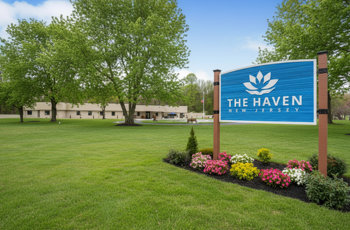 The Haven Detox New Jersey
Blackwood, New Jersey
-
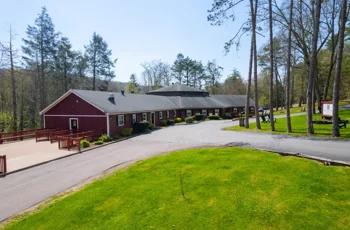 Huntington Creek Recovery
Shickshinny, Pennsylvania
-
 BriteLife Recovery at West Kill
West Kill, New York
-
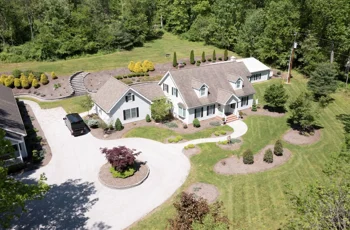 Britelife Recovery at Hanover
Hanover, Pennsylvania
-
 Cove Forge Behavioral Health
Williamsburg, Pennsylvania
-
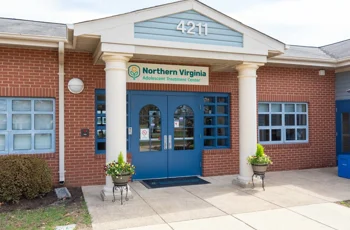 Northern Virginia Adolescent Treatment Center
Chantilly, Virginia
-
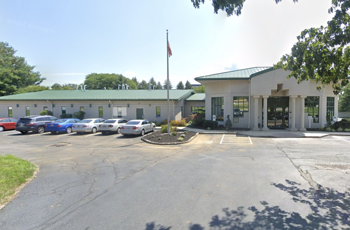 White Deer Run of York at Mt. Zion
York, Pennsylvania
-
 White Deer Run of York
York, Pennsylvania
-
 White Deer Run of Allenwood
Allenwood, Pennsylvania
Who is this facility a good fit for?
- Best fit if: Adult men seeking residential substance use treatment and housing stability; wanting support for addiction and mental health challenges; needing trauma-informed care; looking for practical support with everyday needs; wanting a non-luxury, accessible treatment option.
- Not a fit if: Women; adult males seeking medically supervised withdrawal management (detox); wanting a high-intensity medical treatment setting; looking for a luxury or resort-style experience; seeking a program with integrated outpatient services.
What to expect
Developing your care plan
- Assessment and practical care planning: Length of stay in the program varies depending on clinical assessments and clients’ individual needs. Assessments help clinical staff build each care plan and structure ongoing treatment.
Who you will meet with
- Counseling professionals: Clients meet with counselors for individual and group therapy, trauma-informed and culturally informed care, and treatment for co-occurring mental health conditions.
Typical schedule
- Daily treatment: Daily treatment schedules may include individual and group counseling and relapse prevention. Clients may also access educational support and connect with employment assistance and training to help meet employment goals.
- Outside services: Transportation services may be provided to help clients connect with resources and appointments, access peer support services, or connect with church or spiritual support.
Living experiences and amenities
- Practical support and services: Re-Entry House offers mobile phone and computer access and designated smoking areas. Transportation services and access to church or spiritual services are available. The facility is also accessible to people with disabilities.
Aftercare
- Support for life after residential care: Employment assistance and training, GED courses, and other educational support help clients build stability as they prepare to leave residential treatment. Staff can also connect clients with legal aid, domestic violence services, and family services as needed.
How we researched this facility
- Reviewed by: Jennifer Trimbee, registered nurse, content writer and strategist, reviewed the research findings and wrote this facility profile on October 29, 2026.
- Facility data research: On September 21, 2026, our research team reviewed the facility’s website and information from public health departments, national accrediting organizations, and SAMHSA to verify facility details.
Cost and Insurance
Insurance Accepted

Disclaimer: Additional insurance plans may be accepted. Please contact the provider directly to confirm current coverage details, as this information may change.
Cost
$ - Low Cost Facility
Cost ratings are our best estimates to help guide you, not guarantees. Actual costs may vary with treatment, insurance, and other factors. While we aim for accuracy, details may change.
Financial Assistance
- Does not offer Free
- Does not offer Payment assistance
- Does not offer Sliding fee scale
Nearby Facilities
Loading...
No results for your current selections
View all facilities-
The Haven Detox New Jersey
Blackwood, New Jersey
-
 Bowling Green Brandywine
Kennett Square, Pennsylvania
-
 White Deer Run of Lehigh
Bethlehem, Pennsylvania
-
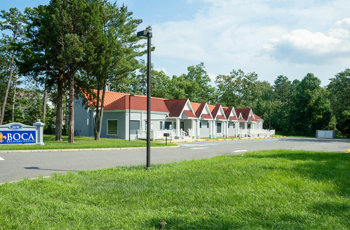 Boca Recovery Center
Galloway, New Jersey
-
 The Salvation Army Adult Rehabilitation Center - Philadelphia
Philadelphia, Pennsylvania
-
Interim House Inc
Philadelphia, Pennsylvania
-
 We Level Up - Lawrenceville NJ
Lawrence Township, New Jersey
-
Anderson House
Whitehouse Station, New Jersey
-
Pathways Treatment Center
Burlington, New Jersey
-
 The Recovery Village Cherry Hill at Cooper Drug & Alcohol Rehab
Cherry Hill, New Jersey
Treatment
Treatment Setting
- Long-term residential
Treatment Approaches
- 12-step program support
- Anger control support
- Brief intervention
- Cognitive behavioral therapy (CBT)
- Community reinforcement plus vouchers
- Incentive-based therapy
- Matrix Model program
- Motivational interviewing
- Relapse prevention support
- Substance use counseling
- Trauma-focused counseling
Additional Support and Services
- Case management support
- Domestic violence support
- Help with transportation
- Social skills training
Counseling and Education
- Family therapy
- Group therapy
- Job training and educational support
- One-on-one counseling
- Substance use education
- Tobacco and vaping cessation counseling
Transition Support
- Discharge and next steps planning
- Ongoing recovery care
- Overdose prevention and naloxone education
- Post-discharge follow-up
Testing & Pre-Treatment
- Breathalyzer testing for alcohol
- Mental health screening
- Oral fluid testing for drugs or alcohol
- Substance use assessment
- Tobacco use assessment
- Urine testing for drugs or alcohol
- Substance use screening
Amenities and Experiences
Activities
- Job training
- Spiritual or faith-based services
Settings
- City
Policies
- Allows cell phones
- Smoking allowed in designated areas
- Vaping allowed in designated areas
Ownership Type
- Non-profit
Quality and Trust
Trust Score
A simple A–E grade that offers a quick view of how much confidence you might place in a facility. It’s not a guarantee of quality or outcomes, but a data-informed tool to help guide your search. More on our methodology.

Commission on Accreditation of Rehabilitation Facilities
CARF reviews rehab programs to make sure they provide respectful, effective, and personalized care. For addiction treatment, CARF uses standards developed with the American Society of Addiction Medicine (ASAM), so this accreditation shows the program follows trusted, evidence-based guidelines for treating substance use.
Learn morePopular Destinations
Loading...
-
 Keystone Retreat Behavioral Health
Ephrata, PA
-
Britelife Recovery at Hanover
Hanover, PA
-
Huntington Creek Recovery
Shickshinny, PA
-
Cove Forge Behavioral Health
Williamsburg, PA
-
Boca Recovery Center
Galloway, NJ
-
 Recovery Centers of America at Bracebridge Hall
Earleville, MD
-
 Recovery Centers of America Capital Region
Waldorf, MD
-
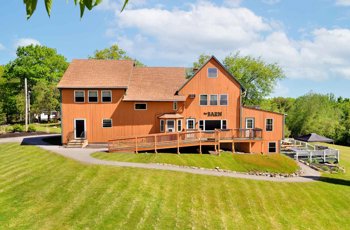 Spring Hill Recovery
Ashby, MA
-
 Little Creek Lodge Recovery
Lake Ariel, PA
-
The Haven Detox New Jersey
Blackwood, NJ
-
 Monarch Shores
Dana Point, CA
Loading...
No results for your current selections
View all facilities in CaliforniaLoading...
No results for your current selections
View all facilities in ArizonaLoading...
No results for your current selections
View all facilities in FloridaHow we research treatment facilities
Across the site, our team has conducted over 1,000 pre-admissions calls to better understand the patient experience, interviewed facility clinical leaders, performed facility background checks, and compared our information against trusted public data sources.
Our research process begins with data from the Substance Abuse and Mental Health Services Administration (SAMHSA), accrediting bodies including The Joint Commission and CARF, government licensing agencies, and other trusted sources. From there, our team conducts significant original research, including:
- Pre-admissions calls: We speak with admissions staff to get a candid picture of patient experience.
- Background checks: We review complaints from past clients, media reports, actions taken by accrediting bodies, and positive recognition from notable organizations.
- Clinical interviews: We have in-depth conversations with clinical leadership, often lasting up to one hour, that give us a better understanding of clinical care.
- Data partnerships: We ingest and analyze exclusive data that provides information about in-network insurance status, cost, and more.
Research varies by facility. Each facility profile shows which research steps we completed and when each step was last performed. Learn more about our research process and background checks.
How we evaluate treatment facilities
These data help us develop a Trust Score for each facility—a simple letter grade that helps you assess how much confidence to place in a facility based on the information available to us. Trust Score considers accreditation, operating history, notable recognition, and concerns identified during our background check. Our Trust Score is an objective rating that is never influenced by advertiser payment. Learn more about our Trust Score methodology.
Important disclaimer
We cannot guarantee the quality of treatment at any facility. We cannot independently confirm the accuracy of every data point, and some information may become outdated or change over time. A Trust Score is a starting point, not a guarantee of treatment quality or outcomes. Please contact us if you would like to update or correct facility information.