Maryland Center for Veterans - Education and Training Inc
Overview
Nonprofit residential recovery program for veterans who are experiencing homelessness. The program combines addiction support with housing, counseling, education, and employment training. Five programs are available, from a daytime drop-in center and emergency shelter to transitional and more independent housing. During the first 60 days, clients attend daily addiction recovery classes and receive individual counseling and case management services. Veterans can spend 18 to 24 months in transitional housing while pursuing employment, education, and stable housing goals, with continued support from their case managers.


Ages Served
- Adults (Ages 26-64)
- Young Adults (Ages 18-25)
Genders Accepted
- Female
- Male
Languages Served
- English
Treatment
- Intensive outpatient treatment (IOP)
- Long-term residential
- Outpatient (methadone/buprenorphine or naltrexone treatment)
- Outpatient day treatment or partial hospitalization
- Regular outpatient treatment
- Short-term residential
Special Programs
- Service members
- Adult men
- Adult women
- Court referrals
- Military families
- Past domestic violence
- Past sexual abuse
- Past trauma
- Mental health disorders
- HIV/AIDS
- Veterans
- Pain management
- Seniors
- Young adults
Similar Facilities
Loading...
No results for your current selections
View all facilities-
 The Haven Detox New Jersey
Blackwood, New Jersey
-
 Keystone Retreat Behavioral Health
Ephrata, Pennsylvania
-
 Huntington Creek Recovery
Shickshinny, Pennsylvania
-
 Cove Forge Behavioral Health
Williamsburg, Pennsylvania
-
 Britelife Recovery at Hanover
Hanover, Pennsylvania
-
 White Deer Run of York
York, Pennsylvania
-
 White Deer Run of Allenwood
Allenwood, Pennsylvania
-
 Pocono Mountain Recovery Center
Henryville, Pennsylvania
-
 Bowling Green Brandywine
Kennett Square, Pennsylvania
-
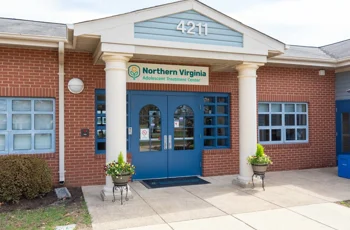 Northern Virginia Adolescent Treatment Center
Chantilly, Virginia
Who is this facility a good fit for?
- Best fit if: Veterans experiencing homelessness or housing instability who need substance use recovery services; seeking a program with military-inspired structure and shared responsibilities; looking for a program that offers support for finding employment, pursuing education, accessing VA benefits, and securing stable housing; dealing with substance use concerns alongside post-traumatic stress disorder (PTSD), family challenges, or other mental health needs; needing extended housing support and case management.
- Not a fit if: Non-veterans; veterans not meeting the program’s eligibility criteria; seeking luxury accommodations, an executive retreat experience, or resort-style amenities; looking for a program with a relaxed structure; requiring hospital-level psychiatric care, medical monitoring, or medically supervised withdrawal management (detox); seeking mental health treatment without co-occurring substance use.
What to expect
Developing your care plan
- Initial assessment: Trained intake case managers verify veteran status and determine whether clients meet housing eligibility requirements. Once accepted into the program, clients may be referred to Veterans Affairs (VA) for physical or mental health treatment as needed.
- Education and employment assessment: Clients complete an initial assessment during the emergency shelter phase and another after being referred to the Education, Training, and Employment (ETE) program.
- Case management: Clients work with an assigned case manager during their first 60 days. Later, during the transitional housing phase of the program, clients work with their case managers to develop a long-range plan addressing education, employment, housing, and strategies for maintaining recovery.
Who you will meet with
- Intake case manager: Intake case managers: These case managers assess client eligibility, including housing eligibility, as well as veteran status.
- Assigned case manager: Each client works with a case manager who coordinates services and helps them work toward their recovery, housing, employment, and education goals.
- Individual counselors: Individual counselors provide counseling that addresses substance use, PTSD-related concerns, and family challenges.
- ETE program coordinator: This coordinator monitors educational or training progress and coordinates referrals to employment services.
- Benefits counselor: A benefits counselor helps clients access their VA entitlements.
Typical schedule
- First 60 days: For the first 60 days, clients attend daily addiction and recovery classes as well as individual counseling. They also meet with their case managers and benefits counselors.
- Transitional housing: In transitional housing, clients attend life skills and substance use classes. They also participate in Alcoholics Anonymous (AA) or Narcotics Anonymous (NA) meetings and continue working with their case managers. Clients can also pursue education and vocational training as well as employment opportunities as they work toward longer-term housing goals.
Living experiences and amenities
- Accommodations that meet different housing needs: MCVET offers access to various types of support. These include a daytime drop-in center for access to basic needs and support, as well as emergency shelter, bridge housing, transitional housing, and single-room occupancy spaces with 24/7 monitoring.
- Practical resources: Clients receive 3 healthy meals a day, access to rest and quiet areas, clothing assistance, and access to events, training, and volunteer opportunities.
- Education, Training, and Employment program: The ETE program helps clients explore education and employment opportunities. Assessments for the program begin when clients are in the emergency shelter program, with a second assessment following the case manager’s referral to the program. When clients officially begin the ETE program, the coordinator monitors their progress. As they complete the program, they are then referred to employment services.
Aftercare
- Integrated transitional housing: After the first 60 days, clients can step down to the transitional housing program. Most clients stay for 18 to 24 months while continuing treatment, skills classes, and AA and NA meetings.
Client reviews
Many reviewers describe MCVET as a meaningful source of structure, shelter, and recovery support for veterans. Some clients report concerns about staff interactions, strict rules, transportation, security, and living conditions.
- Support & community (90% positive): Reviewers often credit the veteran-focused community with helping them regain stability, find shelter, and rebuild daily life. "Great place for vets to start over again."
- Treatment quality & outcomes (85% positive): Many former clients describe lasting changes in recovery, life skills, and independence, while a small number question the program's treatment approach. "This organization helped save my life!"
- Staff & care experience (65% positive): Positive reviews describe helpful, dedicated staff, while recurring concerns mention disrespectful interactions, overly strict enforcement, and inconsistent communication. "They were there when I needed them the most."
- Facility & environment (65% positive): Some reviewers appreciate access to meals, clothing, showers, and an organized setting; others raise concerns about food quality, cleanliness, belongings, and overnight security. "Everyone was very nice and pleasant. And the facility was very clean and organized."
- Access & process (60% positive): Reviews note the value of emergency shelter and veteran services, though some clients report frustrations with intake and transportation delays. "Good shelter during code blue."
How we researched this facility
- Reviewed by: Jennifer Trimbee, registered nurse, content writer, and strategist, reviewed the research findings and wrote this facility profile on October 31, 2026.
- Facility data research: On August 25, 2026, our research team reviewed the facility’s website and information from public health departments, national accrediting organizations, and SAMHSA to verify facility details.
Cost and Insurance
Insurance Accepted


Disclaimer: Additional insurance plans may be accepted. Please contact the provider directly to confirm current coverage details, as this information may change.
Cost
$ - Facility
Cost ratings are our best estimates to help guide you, not guarantees. Actual costs may vary with treatment, insurance, and other factors. While we aim for accuracy, details may change.
Financial Assistance
- Does not offer Free
- Does not offer Payment assistance
- Does not offer Sliding fee scale
Nearby Facilities
Loading...
No results for your current selections
View all facilities-
Britelife Recovery at Hanover
Hanover, Pennsylvania
-
White Deer Run of York
York, Pennsylvania
-
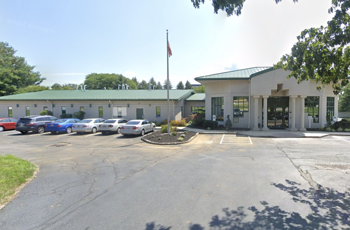 White Deer Run of York at Mt. Zion
York, Pennsylvania
-
 Helping Up Mission
Baltimore, Maryland
-
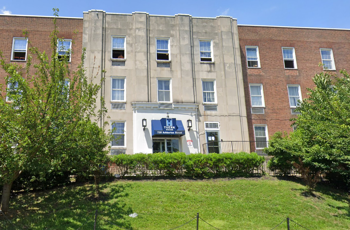 Tuerk House Inc - Alcohol and Drug Treatment Program
Baltimore, Maryland
-
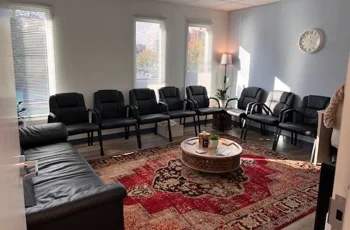 Lawrence Court Halfway House - Mountain Manor
Rockville, Maryland
-
 Tranquility Woods LLC
Pasadena, Maryland
-
 The IAFF Center of Excellence
Upper Marlboro, Maryland
-
 Transformation Healthcare Inc
Baltimore, Maryland
-
 Transformation Healthcare Inc
Columbia, Maryland
Treatment
Treatment Setting
- Intensive outpatient treatment (IOP)
- Long-term residential
- Outpatient (methadone/buprenorphine or naltrexone treatment)
- Outpatient day treatment or partial hospitalization
- Regular outpatient treatment
- Short-term residential
Treatment Approaches
- 12-step program support
- Anger control support
- Brief intervention
- Cognitive behavioral therapy (CBT)
- Incentive-based therapy
- Matrix Model program
- Motivational interviewing
- Relapse prevention support
- Substance use counseling
- Trauma-focused counseling
Additional Support and Services
- Case management support
- Domestic violence support
- Help with transportation
- HIV early intervention services
- Mental health support
- Social skills training
Counseling and Education
- Couples counseling
- Family therapy
- General health education services
- Group therapy
- Hepatitis education and support
- HIV/AIDS education and support
- Job training and educational support
- One-on-one counseling
- Substance use education
- Tobacco and vaping cessation counseling
Transition Support
- Discharge and next steps planning
- Ongoing recovery care
- Overdose prevention and naloxone education
- Post-discharge follow-up
Testing & Pre-Treatment
- Breathalyzer testing for alcohol
- Hepatitis B testing
- Hepatitis C testing
- Intervention and education support
- Mental health assessment
- Mental health screening
- Oral fluid testing for drugs or alcohol
- Substance use assessment
- Temporary support for clients
- Testing for HIV
- Tobacco use assessment
- Tuberculosis screening
- Urine testing for drugs or alcohol
- Substance use screening
Amenities and Experiences
Amenities
- Healthy meals
- Relaxation lounge
Room Amenities
- Private rooms
Activities
- Job training
- Life skills workshops
Settings
- City
Policies
- Smoking allowed in designated areas
- Vaping allowed in designated areas
Ownership Type
- Non-profit
Quality and Trust
Trust Score
A simple A–E grade that offers a quick view of how much confidence you might place in a facility. It’s not a guarantee of quality or outcomes, but a data-informed tool to help guide your search. More on our methodology.

Commission on Accreditation of Rehabilitation Facilities
CARF reviews rehab programs to make sure they provide respectful, effective, and personalized care. For addiction treatment, CARF uses standards developed with the American Society of Addiction Medicine (ASAM), so this accreditation shows the program follows trusted, evidence-based guidelines for treating substance use.
Learn morePopular Destinations
Loading...
-
 Recovery Centers of America at Bracebridge Hall
Earleville, MD
-
 Recovery Centers of America Capital Region
Waldorf, MD
-
 Alpas Wellness Maryland Recovery Center
La Plata, MD
-
 Mount Regis Center
Salem, VA
-
 Arrowwood
Hopewell, VA
-
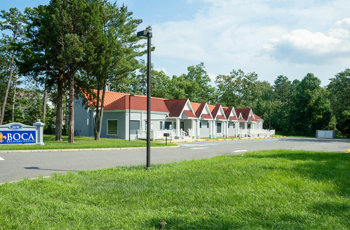 Boca Recovery Center
Galloway, NJ
-
Keystone Retreat Behavioral Health
Ephrata, PA
-
Britelife Recovery at Hanover
Hanover, PA
-
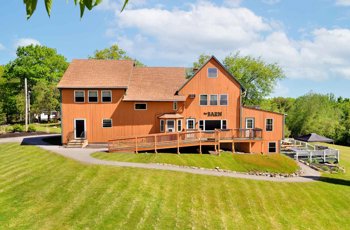 Spring Hill Recovery
Ashby, MA
-
 The Recovery Team - Delray Beach
Delray Beach, FL
-
 Boca Recovery Center
Pompano Beach, FL
-
Huntington Creek Recovery
Shickshinny, PA
-
Cove Forge Behavioral Health
Williamsburg, PA
Loading...
No results for your current selections
View all facilities in CaliforniaLoading...
No results for your current selections
View all facilities in ArizonaLoading...
No results for your current selections
View all facilities in FloridaHow we research treatment facilities
Across the site, our team has conducted over 1,000 pre-admissions calls to better understand the patient experience, interviewed facility clinical leaders, performed facility background checks, and compared our information against trusted public data sources.
Our research process begins with data from the Substance Abuse and Mental Health Services Administration (SAMHSA), accrediting bodies including The Joint Commission and CARF, government licensing agencies, and other trusted sources. From there, our team conducts significant original research, including:
- Pre-admissions calls: We speak with admissions staff to get a candid picture of patient experience.
- Background checks: We review complaints from past clients, media reports, actions taken by accrediting bodies, and positive recognition from notable organizations.
- Clinical interviews: We have in-depth conversations with clinical leadership, often lasting up to one hour, that give us a better understanding of clinical care.
- Data partnerships: We ingest and analyze exclusive data that provides information about in-network insurance status, cost, and more.
Research varies by facility. Each facility profile shows which research steps we completed and when each step was last performed. Learn more about our research process and background checks.
How we evaluate treatment facilities
These data help us develop a Trust Score for each facility—a simple letter grade that helps you assess how much confidence to place in a facility based on the information available to us. Trust Score considers accreditation, operating history, notable recognition, and concerns identified during our background check. Our Trust Score is an objective rating that is never influenced by advertiser payment. Learn more about our Trust Score methodology.
Important disclaimer
We cannot guarantee the quality of treatment at any facility. We cannot independently confirm the accuracy of every data point, and some information may become outdated or change over time. A Trust Score is a starting point, not a guarantee of treatment quality or outcomes. Please contact us if you would like to update or correct facility information.