JHH Houses - Wilson House
Overview
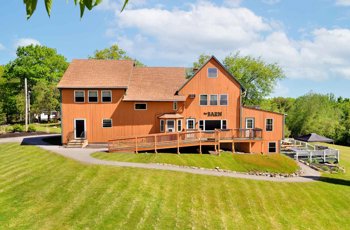
This facility provides transitional recovery housing and substance use treatment for women, including those with co-occurring mental health conditions. The program offers long-term support through counseling, peer recovery services, and practical assistance with housing and transportation. Clients receiving medications for addiction treatment (MAT) from outside providers can enter the program. Wilson House is operated by the Johns Hopkins Broadway Center for Addiction, which offers connections to additional addiction treatment and support services. This publicly funded program serves clients without regard to their ability to pay.


Ages Served
- Adults (Ages 26-64)
- Young Adults (Ages 18-25)
Genders Accepted
- Female
Languages Served
- English
Treatment
- Long-term residential
Special Programs
- Adult women
Similar Facilities
Loading...
No results for your current selections
View all facilities-
 The Haven Detox New Jersey
Blackwood, New Jersey
-
 Keystone Retreat Behavioral Health
Ephrata, Pennsylvania
-
 Huntington Creek Recovery
Shickshinny, Pennsylvania
-
 Cove Forge Behavioral Health
Williamsburg, Pennsylvania
-
 Britelife Recovery at Hanover
Hanover, Pennsylvania
-
 Northern Virginia Adolescent Treatment Center
Chantilly, Virginia
-
 White Deer Run of York at Mt. Zion
York, Pennsylvania
-
 White Deer Run of York
York, Pennsylvania
-
 White Deer Run of Allenwood
Allenwood, Pennsylvania
-
 Pocono Mountain Recovery Center
Henryville, Pennsylvania
Who is this facility a good fit for?
- Best fit if: Women seeking residential recovery support; wanting longer-term residential support; needing help for co-occurring mental health conditions; wanting practical recovery support and connections to social services.
- Not a fit if: Men; women seeking a private, luxury, or resort-style environment; requiring on-site medically monitored withdrawal management (detox) or medication prescriptions.
What to expect
Developing your care plan
- Comprehensive assessments: Comprehensive substance use assessments guide care planning. These include screenings for mental health conditions, substance use, and tobacco use. The program does not offer medications for addiction treatment (MAT); however, clients who are receiving medications from outside providers are accepted into the program.
Who you will meet with
- Therapists: Therapists and counselors meet with clients in individual and group counseling sessions.
- Case managers: These professionals manage treatment and connect clients with resources to support their recovery.
- Peer mentors: Peer mentors offer guidance and support rooted in lived experience.
Typical schedule
- Therapy techniques: Individual and group counseling sessions use multiple techniques, including cognitive behavioral therapy (CBT), motivational interviewing, trauma-related counseling, and relapse prevention.
- Health education: Educational services are also provided, including education focusing on HIV/AIDS, hepatitis, smoking and tobacco cessation, and general health.
- A focus on community: Other programming focuses on developing social skills and community connections through peer mentoring, recovery coaching, and 12-Step meetings.
Living experiences and amenities
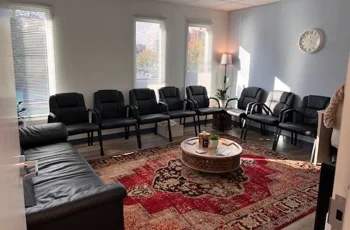
- A recovery-focused environment: Wilson House offers 24-hour long-term residential services for women. The facility offers designated smoking and vaping areas. Transportation assistance is available.
Aftercare
- Discharge planning: Discharge planning can include assistance obtaining social services, including housing, as well as naloxone and overdose education.
- Ongoing connections: Clients can stay connected to the community through recovery coaching, mentoring, and peer support.
How we researched this facility
- Reviewed by: Jennifer Trimbee, registered nurse, content writer, and strategist, reviewed the research findings and wrote this facility profile on October 31, 2026.
- Facility data research: On September 4, 2026, our research team reviewed the facility’s website and information from public health departments, national accrediting organizations, and SAMHSA to verify facility details.
Cost and Insurance
Insurance Accepted








Disclaimer: Additional insurance plans may be accepted. Please contact the provider directly to confirm current coverage details, as this information may change.
Cost
$ - Facility
Cost ratings are our best estimates to help guide you, not guarantees. Actual costs may vary with treatment, insurance, and other factors. While we aim for accuracy, details may change.
Financial Assistance
- Does not offer Free
- Does not offer Payment assistance
- Does not offer Sliding fee scale
Nearby Facilities
Loading...
No results for your current selections
View all facilities-
Britelife Recovery at Hanover
Hanover, Pennsylvania
-
White Deer Run of York
York, Pennsylvania
-
White Deer Run of York at Mt. Zion
York, Pennsylvania
-
 Helping Up Mission
Baltimore, Maryland
-
 Tuerk House Inc - Alcohol and Drug Treatment Program
Baltimore, Maryland
-
 Lawrence Court Halfway House - Mountain Manor
Rockville, Maryland
-
 Tranquility Woods LLC
Pasadena, Maryland
-
 The IAFF Center of Excellence
Upper Marlboro, Maryland
-
 Transformation Healthcare Inc
Baltimore, Maryland
-
 Transformation Healthcare Inc
Columbia, Maryland
Treatment
Treatment Setting
- Long-term residential
Treatment Approaches
- 12-step program support
- Anger control support
- Brief intervention
- Cognitive behavioral therapy (CBT)
- Incentive-based therapy
- Motivational interviewing
- Relapse prevention support
- Substance use counseling
- Trauma-focused counseling
Additional Support and Services
- Case management support
- Help with transportation
- Social skills training
Counseling and Education
- General health education services
- Group therapy
- Hepatitis education and support
- HIV/AIDS education and support
- One-on-one counseling
- Substance use education
- Tobacco and vaping cessation counseling
Transition Support
- Discharge and next steps planning
- Ongoing recovery care
- Overdose prevention and naloxone education
Testing & Pre-Treatment
- Breathalyzer testing for alcohol
- Mental health screening
- Oral fluid testing for drugs or alcohol
- Substance use assessment
- Tobacco use assessment
- Urine testing for drugs or alcohol
- Substance use screening
Amenities and Experiences
Activities
- Gender-specific support groups
- Job training
Settings
- City
Policies
- Smoking allowed in designated areas
- Vaping allowed in designated areas
Ownership Type
- Non-profit
Quality and Trust
Trust Score
A simple A–E grade that offers a quick view of how much confidence you might place in a facility. It’s not a guarantee of quality or outcomes, but a data-informed tool to help guide your search. More on our methodology.
The Joint Commission
The Joint Commission is one of the most trusted names in healthcare. If a rehab center has this accreditation, it means they meet strong national standards for safety, treatment quality, and staff training.
Learn morePopular Destinations
Loading...
-
 Recovery Centers of America at Bracebridge Hall
Earleville, MD
-
 Recovery Centers of America Capital Region
Waldorf, MD
-
 Alpas Wellness Maryland Recovery Center
La Plata, MD
-
 Mount Regis Center
Salem, VA
-
 Arrowwood
Hopewell, VA
-
 Boca Recovery Center
Galloway, NJ
-
Keystone Retreat Behavioral Health
Ephrata, PA
-
Britelife Recovery at Hanover
Hanover, PA
-
 Spring Hill Recovery
Ashby, MA
-
 The Recovery Team - Delray Beach
Delray Beach, FL
-
 Boca Recovery Center
Pompano Beach, FL
-
Huntington Creek Recovery
Shickshinny, PA
-
Cove Forge Behavioral Health
Williamsburg, PA
Loading...
No results for your current selections
View all facilities in CaliforniaLoading...
No results for your current selections
View all facilities in ArizonaLoading...
No results for your current selections
View all facilities in FloridaHow we research treatment facilities
Across the site, our team has conducted over 1,000 pre-admissions calls to better understand the patient experience, interviewed facility clinical leaders, performed facility background checks, and compared our information against trusted public data sources.
Our research process begins with data from the Substance Abuse and Mental Health Services Administration (SAMHSA), accrediting bodies including The Joint Commission and CARF, government licensing agencies, and other trusted sources. From there, our team conducts significant original research, including:
- Pre-admissions calls: We speak with admissions staff to get a candid picture of patient experience.
- Background checks: We review complaints from past clients, media reports, actions taken by accrediting bodies, and positive recognition from notable organizations.
- Clinical interviews: We have in-depth conversations with clinical leadership, often lasting up to one hour, that give us a better understanding of clinical care.
- Data partnerships: We ingest and analyze exclusive data that provides information about in-network insurance status, cost, and more.
Research varies by facility. Each facility profile shows which research steps we completed and when each step was last performed. Learn more about our research process and background checks.
How we evaluate treatment facilities
These data help us develop a Trust Score for each facility—a simple letter grade that helps you assess how much confidence to place in a facility based on the information available to us. Trust Score considers accreditation, operating history, notable recognition, and concerns identified during our background check. Our Trust Score is an objective rating that is never influenced by advertiser payment. Learn more about our Trust Score methodology.
Important disclaimer
We cannot guarantee the quality of treatment at any facility. We cannot independently confirm the accuracy of every data point, and some information may become outdated or change over time. A Trust Score is a starting point, not a guarantee of treatment quality or outcomes. Please contact us if you would like to update or correct facility information.