Gaudenzia Dr. Daniel Snow Halfway House
Overview
Low-intensity men’s residential addiction treatment program for substance use and co-occurring mental health disorders. Programming pairs counseling with concrete support for life outside of treatment, helping men establish stable housing, return to work, attend appointments, and build routines after residential treatment. Staff can connect clients with other Gaudenzia programs or outside providers, including withdrawal management (detox), when additional care is needed. This facility accepts Medicaid plans, certain commercial insurance plans, and can assist with county funding.


Ages Served
- Seniors (Ages 65+)
- Adults (Ages 26-64)
- Young Adults (Ages 18-25)
Genders Accepted
- Male
Languages Served
- Sign language
- English
Treatment
- Long-term residential
Special Programs
- Adult men
Similar Facilities
Loading...
No results for your current selections
View all facilities-
 Findlay Recovery Center
Findlay, Ohio
-
 Cove Forge Behavioral Health
Williamsburg, Pennsylvania
-
 White Deer Run of Allenwood
Allenwood, Pennsylvania
-
 Courage House
Newark, Ohio
-
 Spencer House
Newark, Ohio
-
 Jefferson House
Detroit, Michigan
-
The Salvation Army Harbor Light – Macomb
Clinton Township, Michigan
-
 Stella Maris - Madden Center
Cleveland, Ohio
-
 Gateway Rehab - Aliquippa Abes Place
Aliquippa, Pennsylvania

Men-only residential program focused on lower-intensity treatment and building day-to-day recovery skills
The program treats substance use and co-occurring mental health disorders in a 24-hour men-only residential setting. Treatment is less intensive than hospital-level care and includes individual and group counseling with a combination of several treatment models, including cognitive behavioral therapy (CBT), motivational interviewing, and trauma-related counseling, as well as relapse prevention, anger management, and 12-Step facilitation. Medication management is not available on site, though clients can continue medication-supported recovery from outside providers while in treatment.
Practical help and support for rebuilding independence and returning to community life
Counseling is paired with practical support for life outside of treatment. Case management services are available, offering help with housing assistance, employment counseling or training, social skills development, transportation assistance, and accessing social services. This type of support helps address practical barriers that could otherwise complicate transitions back to independent living.
Aftercare and discharge planning
The program helps clients prepare for what happens after their residential stay, providing discharge planning as well as follow-ups after discharge. The Alumni Association provides an opportunity for continued connection, support, and community involvement. Staff can connect clients to other programs offered by the broader Gaudenzia system or to outside providers or programs to meet additional care needs.
Facility transparency
- Verified by Start Your Recovery: On September 23, 2026, our research team conducted a comprehensive review of this facility's advertising claims, registrations from public health departments, national accrediting bodies, and SAMHSA.
Cost and Insurance
Insurance Accepted


Disclaimer: Additional insurance plans may be accepted. Please contact the provider directly to confirm current coverage details, as this information may change.
Cost
$ - Low Cost Facility
Cost ratings are our best estimates to help guide you, not guarantees. Actual costs may vary with treatment, insurance, and other factors. While we aim for accuracy, details may change.
Financial Assistance
- Does not offer Free
- Does not offer Payment assistance
- Does offer Sliding fee scale
Nearby Facilities
Loading...
No results for your current selections
View all facilities-
 Lake Area Recovery Center
Ashtabula, Ohio
-
French Creek Recovery Center
Meadville, Pennsylvania
-
 Alpine Springs Rehabilitation and Recovery
Linesville, Pennsylvania
-
 Gaudenzia Inc - House of Healing
Erie, Pennsylvania
-
 Lake Area Recovery Center - Turning Point
Ashtabula, Ohio
-
Gateway Erie
Erie, Pennsylvania
-
 Erie VA Medical Center
Erie, Pennsylvania
-
UPMC Behavioral Health Wellness Center - Stabil Rehab Reintegration
Jamestown, New York
-
Gaudenzia Inc - Community House
Erie, Pennsylvania
-
The Salvation Army Adult Rehabilitation Center - Erie
Erie, Pennsylvania
Treatment
Treatment Setting
- Long-term residential
Treatment Approaches
- 12-step program support
- Anger control support
- Brief intervention
- Cognitive behavioral therapy (CBT)
- Motivational interviewing
- Relapse prevention support
- Substance use counseling
- Trauma-focused counseling
Additional Support and Services
- Case management support
- Help with transportation
- HIV early intervention services
- Social skills training
Counseling and Education
- Couples counseling
- Family therapy
- General health education services
- Group therapy
- Hepatitis education and support
- HIV/AIDS education and support
- One-on-one counseling
- Substance use education
- Tobacco and vaping cessation counseling
Transition Support
- Discharge and next steps planning
- Ongoing recovery care
- Overdose prevention and naloxone education
- Post-discharge follow-up
Testing & Pre-Treatment
- Breathalyzer testing for alcohol
- Hepatitis B testing
- Hepatitis C testing
- Mental health screening
- Oral fluid testing for drugs or alcohol
- Substance use assessment
- Testing for HIV
- Tobacco use assessment
- Tuberculosis screening
- Urine testing for drugs or alcohol
- Substance use screening
Amenities and Experiences
Room Amenities
- Air conditioned rooms
- Private rooms
- Shared room options
Activities
- Job training
- Life skills workshops
- Spiritual or faith-based services
Settings
- City
Policies
- Allows cell phones
- Smoking allowed in designated areas
- Vaping allowed in designated areas
Ownership Type
- Non-profit
Quality and Trust
Trust Score
A simple A–E grade that offers a quick view of how much confidence you might place in a facility. It’s not a guarantee of quality or outcomes, but a data-informed tool to help guide your search. More on our methodology.

Commission on Accreditation of Rehabilitation Facilities
CARF reviews rehab programs to make sure they provide respectful, effective, and personalized care. For addiction treatment, CARF uses standards developed with the American Society of Addiction Medicine (ASAM), so this accreditation shows the program follows trusted, evidence-based guidelines for treating substance use.
Learn morePopular Destinations
Loading...
-
 Keystone Retreat Behavioral Health
Ephrata, PA
-
 Britelife Recovery at Hanover
Hanover, PA
-
 Huntington Creek Recovery
Shickshinny, PA
-
Cove Forge Behavioral Health
Williamsburg, PA
-
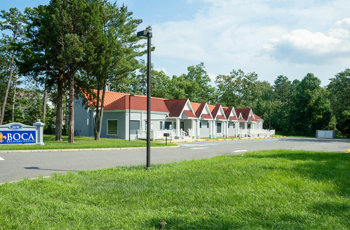 Boca Recovery Center
Galloway, NJ
-
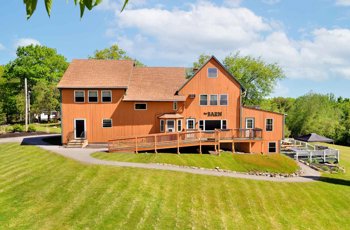 Spring Hill Recovery
Ashby, MA
-
 Little Creek Lodge Recovery
Lake Ariel, PA
-
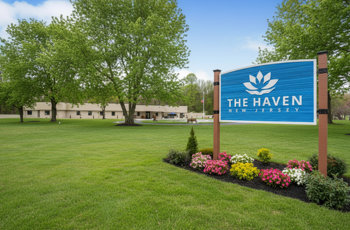 The Haven Detox - New Jersey
Blackwood, NJ
-
 Monarch Shores
Dana Point, CA
Loading...
No results for your current selections
View all facilities in CaliforniaLoading...
No results for your current selections
View all facilities in ArizonaLoading...
No results for your current selections
View all facilities in FloridaHow we research treatment facilities
Across the site, our team has conducted over 1,000 pre-admissions calls to better understand the patient experience, interviewed facility clinical leaders, performed facility background checks, and compared our information against trusted public data sources.
Our research process begins with data from the Substance Abuse and Mental Health Services Administration (SAMHSA), accrediting bodies including The Joint Commission and CARF, government licensing agencies, and other trusted sources. From there, our team conducts significant original research, including:
- Pre-admissions calls: We speak with admissions staff to get a candid picture of patient experience.
- Background checks: We review complaints from past clients, media reports, actions taken by accrediting bodies, and positive recognition from notable organizations.
- Clinical interviews: We have in-depth conversations with clinical leadership, often lasting up to one hour, that give us a better understanding of clinical care.
- Data partnerships: We ingest and analyze exclusive data that provides information about in-network insurance status, cost, and more.
Research varies by facility. Each facility profile shows which research steps we completed and when each step was last performed. Learn more about our research process and background checks.
How we evaluate treatment facilities
These data help us develop a Trust Score for each facility—a simple letter grade that helps you assess how much confidence to place in a facility based on the information available to us. Trust Score considers accreditation, operating history, notable recognition, and concerns identified during our background check. Our Trust Score is an objective rating that is never influenced by advertiser payment. Learn more about our Trust Score methodology.
Important disclaimer
We cannot guarantee the quality of treatment at any facility. We cannot independently confirm the accuracy of every data point, and some information may become outdated or change over time. A Trust Score is a starting point, not a guarantee of treatment quality or outcomes. Please contact us if you would like to update or correct facility information.