Master Center - Gloucester
Overview
Flexible outpatient treatment for adults with substance use concerns combines in-person and virtual care so clients can remain at home while receiving support. Care may include intensive outpatient programming (IOP), standard outpatient services, individual and group therapy, addiction psychiatry, and care coordination. Peer recovery coaching may also provide additional support and lived experience throughout the recovery process. Other services may be available through the facility's broader network. Insurance and available payment options should be verified directly with the facility.


Ages Served
- Seniors (Ages 65+)
- Adults (Ages 26-64)
- Young Adults (Ages 18-25)
Genders Accepted
- Female
- Male
Languages Served
- English
Treatment
- Intensive outpatient treatment (IOP)
- Outpatient detoxification
- Regular outpatient treatment
Special Programs
- Service members
- Adult men
- Adult women
- Past trauma
- Mental health disorders
- Veterans
- Young adults
Similar Facilities
Loading...
No results for your current selections
View all facilities-
 Middle Peninsula Northern Neck CSB - Gloucester Counseling Center
Gloucester, Virginia
-
Faith Recovery
Williamsburg, Virginia
-
Pinnacle Treatment Centers - American Addiction Treatment Center
Newport News, Virginia
-
Bacon Street Youth and Family Services - Williamsburg Office
Williamsburg, Virginia
-
 Farley Center
Williamsburg, Virginia
-
 Colonial Behavioral Health
Yorktown, Virginia
-
 Colonial Behavioral Health
Williamsburg, Virginia
Flexible hybrid outpatient care
Care is provided on an outpatient basis virtually and in person. Typically, clients will undergo an in-person assessment used to guide an individualized care plan. Treatment may include medical care, counseling, and recovery support to help clients address various aspects of substance use. This may include medications for addiction treatment (MAT), individual and group therapy, addiction psychiatry, and care coordination. Clients receiving MAT may also take part in counseling and have access to support, accountability, and guidance while in treatment. Much of the facility's programs can be completed virtually, though clients seeking more in-person support may be able to meet with providers face-to-face more often.
Peer recovery coaching
Peer recovery coaching is another way clients can receive additional support during their treatment. A peer recovery coach may be paired with the client early in the treatment process. The peer coaches have lived recovery experience and are available to provide encouragement, guidance, and help clients navigate care. They may also support clients by connecting them with additional resources and providing a recovery-focused connection between clinical appointments.
Structured IOP support
The facility's IOP program may include individual counseling, group therapy, education, and chances for the client to practice recovery skills in typical situations that may happen during the day. Group sessions may take place several times per week and provide the opportunity for clients to connect with peers. Virtual groups may support a variety of shared interests and experiences, including veterans, health professionals, men, and women. Some groups may also incorporate approaches such as dialectical behavior therapy (DBT) or music-based activities.
Ongoing recovery and family support
The Sustained Recovery Program may help clients recognize warning signs of relapse and develop strategies to navigate their recovery. Continued support may include assessments, recovery coaching, social support, goal setting, accountability, and connections with peers or recovery role models. Family members and friends may have the ability to take part in treatment through coordinated education and group support. This is intended to help them better understand addiction and help the client in their recovery.
Client reviews
Reviews of Master Center for Addiction Medicine’s Gloucester location most often highlight respectful, nonjudgmental staff and positive experiences with recovery-focused care. Some reviewers also describe feeling understood by staff and peers with lived experience. Negative reviews include concerns about treatment planning, billing, and communication outside scheduled appointments.
- Staff & care experience (85% positive): Most reviewers who discuss staff describe the team as caring, respectful, and nonjudgmental, with several saying they felt treated as a person rather than a number. Two reviewers reported less positive care experiences. “I never feel judged.”
- Treatment quality & outcomes (85% positive): Positive reviews include reports of gaining practical recovery tools, receiving individualized care, and getting meaningful help with opioid use. “(The facility) has given me the tools I need.”
- Support & community: Reviews highlight accountability, connection, and the value of interacting with people who understand addiction through lived experience. “They treat you like family.”
- Access & process: Some reviewers praised efficient, on-time appointments and described the program’s appointment schedule and peer counselor access positively. Two reviewers raised concerns about billing or communication.
- Facility & environment: Feedback describes the setting as professional and a place where clients can feel safe. “Very professional environment.”
Facility transparency
- Verified by Start Your Recovery: On September 2, 2026, our research team conducted a comprehensive review of this facility's advertising claims, registrations from public health departments, national accrediting bodies, and SAMHSA.
Cost and Insurance
Insurance Accepted
-

-

-

-

-
-

-

-

-

-

-

-

-

-

-

- Other Private Insurance



Disclaimer: Additional insurance plans may be accepted. Please contact the provider directly to confirm current coverage details, as this information may change.
Financial Assistance
- Does not offer Free
- Does not offer Payment assistance
- Does not offer Sliding fee scale
Nearby Facilities
Loading...
No results for your current selections
View all facilities-
Middle Peninsula Northern Neck CSB - Gloucester Counseling Center
Gloucester, Virginia
-
Faith Recovery
Williamsburg, Virginia
-
Farley Center
Williamsburg, Virginia
-
Colonial Behavioral Health
Williamsburg, Virginia
-
Bacon Street Youth and Family Services - Williamsburg Office
Williamsburg, Virginia
-
Pinnacle Treatment Centers - American Addiction Treatment Center
Newport News, Virginia
-
Colonial Behavioral Health
Yorktown, Virginia
-
Milieu Therapeutic Services - DBA Tmtsonline Com
Yorktown, Virginia
-
 Master Center - Kilmarnock
Kilmarnock, Virginia
-
Spero Health
Newport News, Virginia
Treatment
Treatment Setting
- Intensive outpatient treatment (IOP)
- Outpatient detoxification
- Regular outpatient treatment
Treatment Approaches
- Cognitive behavioral therapy (CBT)
- Matrix Model program
- Motivational interviewing
- Relapse prevention support
- Substance use counseling
- Trauma-focused counseling
Additional Support and Services
- Case management support
- Integrated health care
- Mental health support
Counseling and Education
- Family therapy
- General health education services
- Group therapy
- One-on-one counseling
- Substance use education
- Tobacco and vaping cessation counseling
Transition Support
- Discharge and next steps planning
- Ongoing recovery care
Testing & Pre-Treatment
- Mental health assessment
- Substance use assessment
- Substance use screening
Amenities and Experiences
Activities
- Music therapy
- Gender-specific support groups
Policies
- Smoking allowed in designated areas
- Vaping allowed in designated areas
Ownership Type
- For-profit
Quality and Trust
The Joint Commission
The Joint Commission is one of the most trusted names in healthcare. If a rehab center has this accreditation, it means they meet strong national standards for safety, treatment quality, and staff training.
Learn moreReviews and Ratings
Popular Destinations
Loading...
-
 Mount Regis Center
Salem, VA
-
 Arrowwood
Hopewell, VA
-
 Keystone Retreat Behavioral Health
Ephrata, PA
-
 Alpas Wellness Maryland Recovery Center
La Plata, MD
-
 Recovery Centers of America at Bracebridge Hall
Earleville, MD
-
 Recovery Centers of America Capital Region
Waldorf, MD
-
 The Recovery Team - Delray Beach
Delray Beach, FL
-
 Boca Recovery Center
Pompano Beach, FL
-
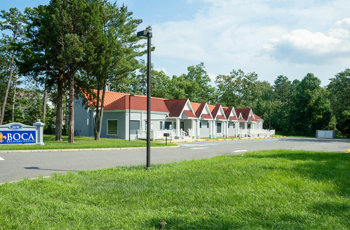 Boca Recovery Center
Galloway, NJ
-
 Monarch Shores
Dana Point, CA
-
 Wilmington Treatment Center
Wilmington, NC
-
 Cove Forge Behavioral Health
Williamsburg, PA
Loading...
No results for your current selections
View all facilities in CaliforniaLoading...
No results for your current selections
View all facilities in ArizonaLoading...
No results for your current selections
View all facilities in FloridaHow we research treatment facilities
Across the site, our team has conducted over 1,000 pre-admissions calls to better understand the patient experience, interviewed facility clinical leaders, performed facility background checks, and compared our information against trusted public data sources.
Our research process begins with data from the Substance Abuse and Mental Health Services Administration (SAMHSA), accrediting bodies including The Joint Commission and CARF, government licensing agencies, and other trusted sources. From there, our team conducts significant original research, including:
- Pre-admissions calls: We speak with admissions staff to get a candid picture of patient experience.
- Background checks: We review complaints from past clients, media reports, actions taken by accrediting bodies, and positive recognition from notable organizations.
- Clinical interviews: We have in-depth conversations with clinical leadership, often lasting up to one hour, that give us a better understanding of clinical care.
- Data partnerships: We ingest and analyze exclusive data that provides information about in-network insurance status, cost, and more.
Research varies by facility. Each facility profile shows which research steps we completed and when each step was last performed. Learn more about our research process and background checks.
How we evaluate treatment facilities
These data help us develop a Trust Score for each facility—a simple letter grade that helps you assess how much confidence to place in a facility based on the information available to us. Trust Score considers accreditation, operating history, notable recognition, and concerns identified during our background check. Our Trust Score is an objective rating that is never influenced by advertiser payment. Learn more about our Trust Score methodology.
Important disclaimer
We cannot guarantee the quality of treatment at any facility. We cannot independently confirm the accuracy of every data point, and some information may become outdated or change over time. A Trust Score is a starting point, not a guarantee of treatment quality or outcomes. Please contact us if you would like to update or correct facility information.