Allegany County Health Department - BH Services/Joseph S Massie Unit
Overview
Publicly operated addiction treatment with on-site medical withdrawal management (detox) and residential addiction treatment for adults. Clients receive medical and psychiatric care, addiction counseling, and medications for opioid and alcohol use disorders. The program also offers family education and vocational counseling to help address challenges beyond substance use, along with aftercare planning to support the transition out of treatment. Residential stays typically last 3 to 8 weeks, depending on individual needs.


Address
10102 SE Country Club Road, Thomas B Finan Center, Cottages 3-4
Cumberland, MD
21502
Ages Served
- Adults (Ages 26-64)
- Young Adults (Ages 18-25)
Genders Accepted
- Female
- Male
Languages Served
- Sign language
- English
Treatment
- Hospital inpatient detoxification
- Hospital inpatient treatment
- Short-term residential
Special Programs
- Adult men
- Adult women
Similar Facilities
Loading...
No results for your current selections
View all facilities-
 The Haven Detox New Jersey
Blackwood, New Jersey
-
 Keystone Retreat Behavioral Health
Ephrata, Pennsylvania
-
 Huntington Creek Recovery
Shickshinny, Pennsylvania
-
 Cove Forge Behavioral Health
Williamsburg, Pennsylvania
-
 Britelife Recovery at Hanover
Hanover, Pennsylvania
-
 Mount Regis Center
Salem, Virginia
-
 Bowling Green Brandywine
Kennett Square, Pennsylvania
-
 White Deer Run of Lehigh
Bethlehem, Pennsylvania
-
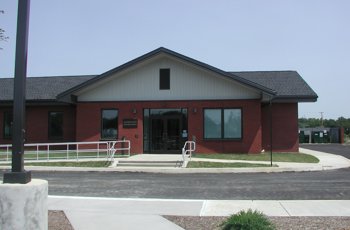 White Deer Run of York
York, Pennsylvania
-
 White Deer Run of Allenwood
Allenwood, Pennsylvania
Who is this facility a good fit for?
- Best fit if: Adults seeking inpatient addiction treatment; needing medications for addiction treatment (MAT) alongside counseling; looking for support for co-occurring mental health concerns; seeking practical support beyond addiction treatment; looking for integrated peer-based recovery; needing prompt admission.
- Not a fit if: Adolescents; adults seeking only outpatient care; requiring regular access to their phones; wanting unrestricted family visitation; seeking private or luxury accommodations.
What to expect
Developing your care plan
- Admissions: Admissions take place Monday to Friday, with admissions workers generally available from 8:30 a.m. to 4:30 p.m. Clients can be admitted on the same day or the following day if they are medically cleared, meet program requirements, and a bed is available.
- Assessments and care planning: Medical assessments, psychiatric evaluations, and substance use assessments may be used to determine treatment needs. Care plans and lengths of stay are individualized; most clients stay 3 to 8 weeks.
Who you will meet with
- Counselors: Counselors participate in treatment planning and lead individual and group counseling sessions. Sessions may focus on various topics, including vocational counseling and alternative pain management techniques.
- Psychiatric nurse practitioners: Psychiatric nurse practitioners can prescribe medication and support clients with psychiatric needs when clinically appropriate.
- Medical staff: Physicians and nursing staff provide medical assessments and support, particularly during on-site withdrawal management. HIV testing, counseling, and education are also available.
- Admissions staff: These professionals help prospective clients navigate their entry into the program.
Typical schedule
- Daily treatments: Daily activities include individual and group therapy, medication management, and Alcoholics Anonymous (AA) and Narcotics Anonymous (NA) meetings.
Living experiences and amenities
- Public health-affiliated inpatient treatment facility: The program operates on the grounds of the Thomas B. Finan Center in Cumberland. Shared and private rooms are available. Private rooms must be arranged with admissions.
- Phone and visitation policies: Clients are not permitted to keep personal cell phones. Family visitation is permitted as determined by counseling staff. Family involvement may take different forms, with family counseling and family education also available.
Aftercare
- Aftercare planning: Vocational counseling may help clients prepare for employment-related challenges after leaving treatment. Family counseling and education offered throughout the program can support relationships during recovery and as clients return to their daily lives.
- Outpatient treatment: Outpatient treatment options are available to clients after transitioning out of residential treatment, including an intensive outpatient program (IOP), peer support, and individual, family, and group therapy.
Pre-admissions experience
We conducted a series of pre-admissions calls, the most recent on November 5, 2026, to evaluate response time, transparency, and patient experience.
We connected with a representative from the Joseph S. Massie Unit who was helpful, calm, and transparent about what they did not know. They provided detailed information about operational policies, admissions timing, and staff; however, they were not able to provide details about cost and recommended we call back to speak directly with admissions staff.
How we researched this facility
- Reviewed by: Jennifer Trimbee, registered nurse, content writer, and strategist, reviewed the research findings and wrote this facility profile on November 14, 2026.
- Facility data research: On October 22, 2026, our research team reviewed the facility’s website and information from public health departments, national accrediting organizations, and SAMHSA to verify facility details.
- Pre-admissions call: On November 5, 2026, our content team called the facility to evaluate responsiveness, transparency, and the prospective patient experience.
Cost and Insurance
Insurance Accepted
-

- Some Private Insurance
Disclaimer: Additional insurance plans may be accepted. Please contact the provider directly to confirm current coverage details, as this information may change.
Cost
$ - Facility
Cost ratings are our best estimates to help guide you, not guarantees. Actual costs may vary with treatment, insurance, and other factors. While we aim for accuracy, details may change.
Financial Assistance
- Does not offer Free
- Does not offer Payment assistance
- Does offer Sliding fee scale
Nearby Facilities
Loading...
No results for your current selections
View all facilities-
 Timber Ridge School - Leary Educational Foundation Inc
Cross Junction, Virginia
-
 Beal Counseling and Consulting
Somerset, Pennsylvania
-
 Council on Alcoholism - Lord Fairfax Community Inc
Winchester, Virginia
-
 DreamLife Recovery LLC
Donegal, Pennsylvania
-
Allegany County Health Deptartment - Behav Services Allegany Halfway House
Cumberland, Maryland
-
 UPMC Western Behavioral Health - At Twin Lakes
Somerset, Pennsylvania
-
 Another Way Inc
Farmington, Pennsylvania
Treatment
Treatment Setting
- Hospital inpatient detoxification
- Hospital inpatient treatment
- Short-term residential
Treatment Approaches
- 12-step program support
- Anger control support
- Brief intervention
- Cognitive behavioral therapy (CBT)
- Incentive-based therapy
- Matrix Model program
- Motivational interviewing
- Relapse prevention support
- Substance use counseling
- Trauma-focused counseling
Additional Support and Services
- Case management support
- Child care services
- Domestic violence support
- Help with transportation
- HIV early intervention services
- Mental health support
- Social skills training
Counseling and Education
- Couples counseling
- Family therapy
- General health education services
- Group therapy
- Hepatitis education and support
- HIV/AIDS education and support
- One-on-one counseling
- Substance use education
- Tobacco and vaping cessation counseling
Transition Support
- Discharge and next steps planning
- Ongoing recovery care
- Overdose prevention and naloxone education
- Post-discharge follow-up
Testing & Pre-Treatment
- Breathalyzer testing for alcohol
- Community outreach and support
- Comprehensive health checkup
- Hepatitis B testing
- Hepatitis C testing
- Mental health assessment
- Mental health screening
- Monitoring for metabolic syndrome
- Oral fluid testing for drugs or alcohol
- Substance use assessment
- Testing for HIV
- Testing for Sexually Transmitted Infections
- Tobacco use assessment
- Tuberculosis screening
- Urine testing for drugs or alcohol
- Substance use screening
Amenities and Experiences
Activities
- Job training
Policies
- No smoking allowed
- No vaping allowed
Ownership Type
- Government (State)
Quality and Trust
Trust Score
A simple A–E grade that offers a quick view of how much confidence you might place in a facility. It’s not a guarantee of quality or outcomes, but a data-informed tool to help guide your search. More on our methodology.

Commission on Accreditation of Rehabilitation Facilities
CARF reviews rehab programs to make sure they provide respectful, effective, and personalized care. For addiction treatment, CARF uses standards developed with the American Society of Addiction Medicine (ASAM), so this accreditation shows the program follows trusted, evidence-based guidelines for treating substance use.
Learn morePopular Destinations
Loading...
-
 Alpas Wellness Maryland Recovery Center
La Plata, MD
-
Mount Regis Center
Salem, VA
-
 Arrowwood
Hopewell, VA
-
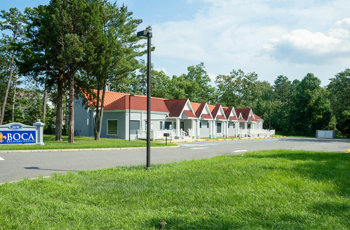 Boca Recovery Center
Galloway, NJ
-
Keystone Retreat Behavioral Health
Ephrata, PA
-
Britelife Recovery at Hanover
Hanover, PA
-
 Spring Hill Recovery
Ashby, MA
-
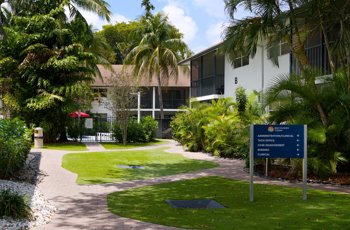 The Recovery Team - Delray Beach
Delray Beach, FL
-
 Boca Recovery Center
Pompano Beach, FL
-
Huntington Creek Recovery
Shickshinny, PA
-
Cove Forge Behavioral Health
Williamsburg, PA
Loading...
No results for your current selections
View all facilities in CaliforniaLoading...
No results for your current selections
View all facilities in ArizonaLoading...
No results for your current selections
View all facilities in FloridaHow we research treatment facilities
Across the site, our team has conducted over 1,000 pre-admissions calls to better understand the patient experience, interviewed facility clinical leaders, performed facility background checks, and compared our information against trusted public data sources.
Our research process begins with data from the Substance Abuse and Mental Health Services Administration (SAMHSA), accrediting bodies including The Joint Commission and CARF, government licensing agencies, and other trusted sources. From there, our team conducts significant original research, including:
- Pre-admissions calls: We speak with admissions staff to get a candid picture of patient experience.
- Background checks: We review complaints from past clients, media reports, actions taken by accrediting bodies, and positive recognition from notable organizations.
- Clinical interviews: We have in-depth conversations with clinical leadership, often lasting up to one hour, that give us a better understanding of clinical care.
- Data partnerships: We ingest and analyze exclusive data that provides information about in-network insurance status, cost, and more.
Research varies by facility. Each facility profile shows which research steps we completed and when each step was last performed. Learn more about our research process and background checks.
How we evaluate treatment facilities
These data help us develop a Trust Score for each facility—a simple letter grade that helps you assess how much confidence to place in a facility based on the information available to us. Trust Score considers accreditation, operating history, notable recognition, and concerns identified during our background check. Our Trust Score is an objective rating that is never influenced by advertiser payment. Learn more about our Trust Score methodology.
Important disclaimer
We cannot guarantee the quality of treatment at any facility. We cannot independently confirm the accuracy of every data point, and some information may become outdated or change over time. A Trust Score is a starting point, not a guarantee of treatment quality or outcomes. Please contact us if you would like to update or correct facility information.