Dallas Addiction Center
Overview
Residential and outpatient substance use and mental health treatment for adults with detox and crisis intervention services. Virtual options are available for certain outpatient and aftercare programming. Care plans include evidence-based therapies such as cognitive behavioral therapy (CBT) and dialectical behavior therapy (DBT), delivered through both individual and group sessions. Trauma counseling and emotional wellness services are also offered. Medications for addiction treatment (MAT) can be prescribed when needed to help ease withdrawal symptoms and cravings. Clients can also participate in meditation, fitness, and nutrition counseling. Dallas Addiction Center accepts private insurance and self-pay. A sliding fee scale may be available.
Ages Served
- None listed
Genders Accepted
- None listed
Languages Served
- English
Treatment
- None listed
Special Programs
- None listed
Full continuum of step-down care
The center offers medical withdrawal management (detox), residential treatment, partial hospitalization (PHP), intensive outpatient (IOP), and aftercare in one location. Having all these treatment levels in one place allows for smoother care transitions, and allows clients to stay with the same care team for a more comfortable, personalized experience.
Substance use and co-occurring mental health treatment
Clients who have mental health conditions such as anxiety and depression alongside substance use can receive care for both at once. At the start of treatment, staff provide medical and psychiatric evaluations to determine appropriate care needs. These may be especially essential if clients have mental health concerns but have never been diagnosed. Therapists use approaches including CBT, DBT, and motivational interviewing, along with medication management, to address these conditions simultaneously in a way that works for each client’s individual situation.
Holistic therapies and life skills
Along with evidence-based therapies, clients can participate in yoga, mindfulness, fitness, and recreational activities in order to help manage stress and boost overall wellness. Life skills training is another important component of care. This includes education on topics such as coping skills, relapse prevention planning, regulating emotions, and communication — all designed to help clients transition back to independent living with a greater set of tools and more confidence.
Aftercare planning
Before treatment ends, staff help set clients up with a discharge plan adapted just for them. These can include referrals to outside therapy, additional mental health assistance, local 12-step or non-12-step support groups, recovery coaching, or sober living arrangements.
Client reviews
Reviews most often praise caring staff, useful recovery tools, and a clean, comfortable setting. A couple reviewers mention issues with admissions information, communication, or access to people and responsibilities outside the facility.
- Staff & care experience (95% positive): Reviewers frequently describe therapists, nurses, behavioral health technicians, counselors, chefs, and other staff as compassionate, knowledgeable, and attentive. Many clients say staff listened without judgment and helped them feel safe during treatment. “The counselors, techs, & nurses genuinely care.”
- Treatment quality & outcomes (95% positive): Many clients credit the program with helping them develop coping skills, strengthen their commitment to sobriety, or feel better prepared for continued recovery. Reviews also highlight structured groups, 12-step education, counseling, withdrawal management, and aftercare planning. “They give you all the tools you need for success!”
- Facility & environment (95% positive): Clients regularly describe the facility as comfortable and well maintained. Meals, snacks, outings, and the home-like atmosphere also receive frequent praise. “The facility is clean and the food is great.”
- Support & community (90% positive): Reviewers often mention feeling accepted, encouraged, and understood by peers and staff, including team members with personal recovery experience. “I loved everyone — they had my back when I couldn’t.”
- Access & process: Some clients praise responsive staff, clear guidance, and coordinated aftercare. A couple reviewers described unclear admissions information and difficulty communicating with family members.
Facility transparency
- Verified by Start Your Recovery: On July 19, 2026, our research team conducted a comprehensive review of this facility's advertising claims, registrations from public health departments, national accrediting bodies, and SAMHSA.
Cost and Insurance
Insurance Accepted





Disclaimer: Additional insurance plans may be accepted. Please contact the provider directly to confirm current coverage details, as this information may change.
Financial Assistance
- Does not offer Free
- Does not offer Payment assistance
- Does not offer Sliding fee scale
Treatment
Other Conditions Treated
- ADHD & ADD
- Anxiety
- Bipolar disorder
- Codependency
- Depression
- Grief and loss
- Obsessive Compulsive Disorder (OCD)
- Post Traumatic Stress Disorder
- Trauma
Amenities and Experiences
Amenities
- Gourmet meals
- Airport pickup & drop-off
- Dietary accommodations
- Healthy meals
- In-house chef
- Outdoor relaxation lounge
- Relaxation lounge
Room Amenities
- Air conditioned rooms
- Coffee maker & tea
- Desk
- Housekeeping
- Laundry service
- Outdoor space
- Private bathroom
- Private rooms
- Shared bathroom
- TV
- Shared room options
Activities
- Games
- Yoga
- Fitness activities
- Life skills workshops
- Spiritual or faith-based services
Settings
- City
Reviews and Ratings
- Caring and knowledgeable staff
- Valuable tools and support for recovery
- Beautiful accommodations
Popular Destinations
Loading...
-
 Willow Springs Recovery
Bastrop, TX
-
 Ripple Ranch Recovery Center
Spring Branch, TX
-
 Infinite Recovery Buda
Buda, TX
-
 Greenhouse Treatment Center
Grand Prairie, TX
-
 Infinite Recovery
Cedar Park, TX
-
 Mountain Springs Recovery
Monument, CO
-
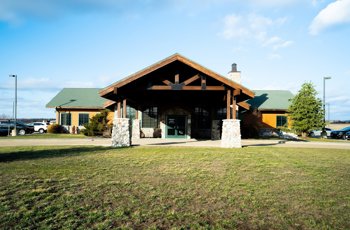 Grand Falls Center For Recovery
Joplin, MO
-
 The Haven Detox Little Rock
Little Rock, AR
-
 The Haven Detox West Memphis
West Memphis, AR
-
 The Haven Detox Arizona
Green Valley, AZ
-
 Monarch Shores
Dana Point, CA
-
 The Recovery Team - Delray Beach
Delray Beach, FL
-
 The Haven Detox Oklahoma
Tulsa, OK
Loading...
No results for your current selections
View all facilities in CaliforniaLoading...
No results for your current selections
View all facilities in ArizonaLoading...
No results for your current selections
View all facilities in FloridaHow we research treatment facilities
Across the site, our team has conducted over 1,000 pre-admissions calls to better understand the patient experience, interviewed facility clinical leaders, performed facility background checks, and compared our information against trusted public data sources.
Our research process begins with data from the Substance Abuse and Mental Health Services Administration (SAMHSA), accrediting bodies including The Joint Commission and CARF, government licensing agencies, and other trusted sources. From there, our team conducts significant original research, including:
- Pre-admissions calls: We speak with admissions staff to get a candid picture of patient experience.
- Background checks: We review complaints from past clients, media reports, actions taken by accrediting bodies, and positive recognition from notable organizations.
- Clinical interviews: We have in-depth conversations with clinical leadership, often lasting up to one hour, that give us a better understanding of clinical care.
- Data partnerships: We ingest and analyze exclusive data that provides information about in-network insurance status, cost, and more.
Research varies by facility. Each facility profile shows which research steps we completed and when each step was last performed. Learn more about our research process and background checks.
How we evaluate treatment facilities
These data help us develop a Trust Score for each facility—a simple letter grade that helps you assess how much confidence to place in a facility based on the information available to us. Trust Score considers accreditation, operating history, notable recognition, and concerns identified during our background check. Our Trust Score is an objective rating that is never influenced by advertiser payment. Learn more about our Trust Score methodology.
Important disclaimer
We cannot guarantee the quality of treatment at any facility. We cannot independently confirm the accuracy of every data point, and some information may become outdated or change over time. A Trust Score is a starting point, not a guarantee of treatment quality or outcomes. Please contact us if you would like to update or correct facility information.