Recovery Centers of America at Danvers
Overview
Residential care for substance use and co-occurring mental health concerns combines support with master’s-level clinicians, individual counseling, group treatment, 24/7 nursing support, and experiential activities. Clients take part in care planning and can move from medically monitored withdrawal management (detox) through residential and outpatient treatment as their needs change. Structured days include individual therapy at least once a week, scheduled meals, and recreation. Outpatient options may include a partial hospitalization program (PHP) and intensive outpatient programs (IOP), with psychiatric support and medications for addiction treatment (MAT) available when determined to be clinically appropriate.


Ages Served
- Seniors (Ages 65+)
- Adults (Ages 26-64)
- Young Adults (Ages 18-25)
Genders Accepted
- Female
- Male
Languages Served
- Sign language
- English
Treatment
- Intensive outpatient treatment (IOP)
- Outpatient (methadone/buprenorphine or naltrexone treatment)
- Outpatient day treatment or partial hospitalization
- Residential detoxification
- Short-term residential
Special Programs
- Adult men
- Adult women
- Past trauma
- Mental health disorders
- Pregnant/postpartum
- Seniors
- Young adults
Similar Facilities
Loading...
No results for your current selections
View all facilities-
 Never Alone - Adolescent Treatment Center
Hurley, New York
-
 Bedrock Recovery Center
Canton, Massachusetts
-
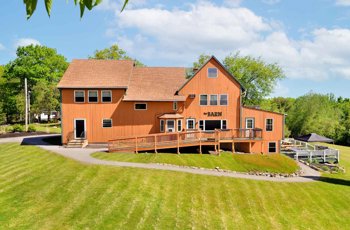 Spring Hill Recovery
Ashby, Massachusetts
-
 The Haven Detox Massachusetts
Worcester, Massachusetts
-
 BriteLife Recovery at West Kill
West Kill, New York
-
 Lantana Recovery New Milford
New Milford, Connecticut
-
 AdCare Hospital
Worcester, Massachusetts
-
 Greater Nashua Council on Alcoholism - Keystone Hall
Nashua, New Hampshire
-
 Plymouth House
Plymouth, New Hampshire
-
 AdCare - Rhode Island
North Kingstown, Rhode Island
Who is this facility a good fit for?
Best fit if: Adults who want access to a full continuum of care; may have substance use and co-occurring mental health needs; prefer a structured environment; want to actively participate in care planning; may benefit from medications for addiction treatment (MAT); and desire family involvement and a continuing recovery community.
Not a fit if: Adults who need supportive housing on the facility grounds; want a very small, intimate program; and are not interested in group programming.
What to expect
Developing your care plan
- Assessment and care planning: Clients take an active role with the treatment team in the development of their care plan. Those seeking outpatient care complete an on-site or virtual assessment to determine an appropriate program.
- Reassessment and care transitions: Outpatient care plans are usually reassessed every 4 to 6 weeks and may evolve as a client's medical and clinical needs change. Clients beginning with detox receive a new plan when they are medically stable enough to enter residential treatment.
Who you will meet with
- Clinical team: Licensed master’s-level clinicians, individual therapists, and group leaders support clients with weekly individual therapy and group sessions. Assessment staff meet with clients to determine the proper level of care.
- Nursing and psychiatric support: During detox, nurses are available 24 hours a day, seven days a week. Clients may also meet with a psychiatrist when needed, and nursing support may be available for medication management or other clinical needs in the outpatient programs as well.
Typical schedule
- Daily schedule and treatment: Group treatment is scheduled throughout the day, with individual sessions taking place weekly. Clients have breakfast, lunch, and dinner at the facility. Daily care combines counseling, medical support, and experiential activities. Treatment may include cognitive behavioral therapy (CBT), motivational interviewing, relapse prevention, trauma-related counseling, 12-Step facilitation, family counseling, and MAT when determined to be clinically appropriate.
- Activities and recreation: Between clinical sessions, special interest and recreational activities may be available, such as yoga, music therapy, and art therapy. These activities are intended to support clients’ physical and mental well-being through movement, creativity, and social connection.
- Family involvement: Family involvement may include family meetings, educational webinars, and in-person or virtual support groups. Topics covered may address boundaries, family dynamics, and preparing to support the client’s continued recovery.
Living experiences and amenities
- Rooms and amenities: Clients may stay in semi-private rooms, with private rooms available for an additional fee. Bright lounges, common areas, including a coffee area, and an on-site fitness center are available for clients. Meals and dietary accommodations are available, along with internet access and flexible technology policies that clients may use during their downtime.
- Weekend activities: During the weekend, clients may take part in activities such as s’mores, karaoke, and open mic nights, giving clients the opportunity to relax and connect with peers outside of formal therapy.
Aftercare
- Continuing care and alumni support: After treatment is completed, support may include discharge planning, continuing care, follow-up on recovery progress, peer support, and self-help groups. An alumni program may also be available, offering continued recovery meetings and sober social events that may welcome clients’ family and friends.
Pre-admissions experience
We conducted a series of pre-admissions calls, the most recent on September 29, 2026, to evaluate response time, transparency, and patient experience.
When we contacted Recovery Centers of America at Danvers, we received a prompt response from a warm, patient representative. They explained daily schedules, staffing, and how clients help shape their care plans. They were easy to talk with and answered questions thoroughly without making the conversation feel salesy.
Client reviews
Reviews of Recovery Centers of America at Danvers frequently highlight recovery progress, supportive staff, alumni connections, and a comfortable facility. Reviews are less consistent around medical care, communication, transportation, and discharge or aftercare processes.
- Staff & care experience (85% positive): Many reviewers describe counselors, recovery specialists, nurses, and other staff as compassionate, respectful, and invested in their recovery. Some reviewers voiced concerns about communication issues with staff. “I was treated with respect and kindness.”
- Treatment quality & outcomes (90% positive): Many former clients credit RCA with helping them begin or strengthen their recovery, often mentioning practical tools, group programming, therapy, and continued sobriety after treatment. A smaller group reported that therapy or individualized treatment fell short of expectations. “They laid the foundation for my recovery.”
- Facility & environment (95% positive): Reviewers often describe the campus as clean, spacious, and comfortable, with amenities including private televisions, a gym, outdoor space, and recreational activities. A few reviewers reported cleanliness, maintenance, or property-management concerns. “The facility has clean, comfortable beds and televisions in each room.”
- Support & community (80% positive): Alumni programming is a prominent theme, with reviewers describing Zoom meetings, sober outings, check-ins, and friendships that helped them stay connected after treatment. “The network I've built has been incredible & so supportive.”
- Access & process (60% positive): Some reviewers describe smooth admissions, help with insurance and scheduling, and useful coordination between inpatient and outpatient care. Others report difficulty reaching staff or receiving family updates, along with concerns about transportation and discharge planning.
How we researched this facility
Reviewed by: Jenn Farr, content writer and strategist, reviewed the research findings and wrote this facility profile on September 30, 2026.
Facility data research: On September 30, 2026, our research team reviewed the facility’s website and information from public health departments, national accrediting organizations, and SAMHSA to verify facility details.
Pre-admissions call: On September 29, 2026, our content team called the facility to evaluate responsiveness, transparency, and the prospective patient experience.
Cost and Insurance
Insurance Accepted
-

-

-

-

-

-
-

-

-

-

-

-

-
-

-

-

-

-
-

- Other Private Insurance


Disclaimer: Additional insurance plans may be accepted. Please contact the provider directly to confirm current coverage details, as this information may change.
Financial Assistance
- Does not offer Free
- Does not offer Payment assistance
- Does not offer Sliding fee scale
Nearby Facilities
Loading...
No results for your current selections
View all facilities-
Bedrock Recovery Center
Canton, Massachusetts
-
Spring Hill Recovery
Ashby, Massachusetts
-
The Haven Detox Massachusetts
Worcester, Massachusetts
-
 Gavin Foundation - Gavin House
Boston, Massachusetts
-
 Farnum Center
Manchester, New Hampshire
-
Greater Nashua Council on Alcoholism - Keystone Hall
Nashua, New Hampshire
-
AdCare Hospital
Worcester, Massachusetts
-
 SMOC Behavioral Healthcare - Serenity House
Hopkinton, Massachusetts
-
CASPAR House I
Somerville, Massachusetts
-
Motivating Youth Recovery
Worcester, Massachusetts
Treatment
Treatment Setting
- Intensive outpatient treatment (IOP)
- Outpatient (methadone/buprenorphine or naltrexone treatment)
- Outpatient day treatment or partial hospitalization
- Residential detoxification
- Short-term residential
Treatment Approaches
- 12-step program support
- Anger control support
- Brief intervention
- Cognitive behavioral therapy (CBT)
- Incentive-based therapy
- Matrix Model program
- Motivational interviewing
- Relapse prevention support
- Substance use counseling
- Trauma-focused counseling
Additional Support and Services
- Case management support
- Domestic violence support
- Help with transportation
- HIV early intervention services
- Mental health support
- Social skills training
- Suicide prevention support
Counseling and Education
- Family therapy
- General health education services
- Group therapy
- Hepatitis education and support
- HIV/AIDS education and support
- One-on-one counseling
- Substance use education
- Tobacco and vaping cessation counseling
Transition Support
- Discharge and next steps planning
- Ongoing recovery care
- Overdose prevention and naloxone education
- Post-discharge follow-up
Testing & Pre-Treatment
- Breathalyzer testing for alcohol
- Community outreach and support
- Comprehensive health checkup
- Hepatitis B testing
- Hepatitis C testing
- Intervention and education support
- Mental health assessment
- Mental health screening
- Monitoring for metabolic syndrome
- Substance use assessment
- Testing for HIV
- Testing for Sexually Transmitted Infections
- Tobacco use assessment
- Tuberculosis screening
- Urine testing for drugs or alcohol
- Substance use screening
Amenities and Experiences
Amenities
- Fitness center
- Gourmet meals
- Access to nature
- Dietary accommodations
- Gardens
- Healthy meals
- Relaxation lounge
- Vegan-friendly
Room Amenities
- Air conditioned rooms
- Desk
- Internet access
- Kitchenette
- Laundry service
- Outdoor space
- Private rooms
- Sofa
- TV
- Shared room options
Activities
- AA/NA Meetings
- Art therapy
- Games
- Music therapy
- Yoga
- Fitness activities
- Life skills workshops
- Spiritual or faith-based services
Settings
- Country
Policies
- Allows cell phones
- Allows internet access
- Allows pets
- Smoking allowed in designated areas
- Vaping allowed in designated areas
Ownership Type
- For-profit
Quality and Trust
Trust Score
A simple A–E grade that offers a quick view of how much confidence you might place in a facility. It’s not a guarantee of quality or outcomes, but a data-informed tool to help guide your search. More on our methodology.
The Joint Commission
The Joint Commission is one of the most trusted names in healthcare. If a rehab center has this accreditation, it means they meet strong national standards for safety, treatment quality, and staff training.
Learn more
Commission on Accreditation of Rehabilitation Facilities
CARF reviews rehab programs to make sure they provide respectful, effective, and personalized care. For addiction treatment, CARF uses standards developed with the American Society of Addiction Medicine (ASAM), so this accreditation shows the program follows trusted, evidence-based guidelines for treating substance use.
Learn more
SAMHSA-certified Opioid Treatment Program
This is a federal certification for programs that offer medication like methadone or buprenorphine to treat opioid addiction. It means the center is legally approved to provide this care, follows strict safety rules, and combines medication with counseling to support long-term recovery.
Learn morePopular Destinations
Loading...
-
Spring Hill Recovery
Ashby, MA
-
 Boca Recovery Center Massachusetts
Springfield, MA
-
The Haven Detox Massachusetts
Worcester, MA
-
Bedrock Recovery Center
Canton, MA
-
AdCare - Rhode Island
North Kingstown, RI
-
 Keystone Retreat Behavioral Health
Ephrata, PA
-
 Boca Recovery Center
Galloway, NJ
-
BriteLife Recovery at West Kill
West Kill, NY
Loading...
No results for your current selections
View all facilities in CaliforniaLoading...
No results for your current selections
View all facilities in ArizonaLoading...
No results for your current selections
View all facilities in FloridaHow we research treatment facilities
Across the site, our team has conducted over 1,000 pre-admissions calls to better understand the patient experience, interviewed facility clinical leaders, performed facility background checks, and compared our information against trusted public data sources.
Our research process begins with data from the Substance Abuse and Mental Health Services Administration (SAMHSA), accrediting bodies including The Joint Commission and CARF, government licensing agencies, and other trusted sources. From there, our team conducts significant original research, including:
- Pre-admissions calls: We speak with admissions staff to get a candid picture of patient experience.
- Background checks: We review complaints from past clients, media reports, actions taken by accrediting bodies, and positive recognition from notable organizations.
- Clinical interviews: We have in-depth conversations with clinical leadership, often lasting up to one hour, that give us a better understanding of clinical care.
- Data partnerships: We ingest and analyze exclusive data that provides information about in-network insurance status, cost, and more.
Research varies by facility. Each facility profile shows which research steps we completed and when each step was last performed. Learn more about our research process and background checks.
How we evaluate treatment facilities
These data help us develop a Trust Score for each facility—a simple letter grade that helps you assess how much confidence to place in a facility based on the information available to us. Trust Score considers accreditation, operating history, notable recognition, and concerns identified during our background check. Our Trust Score is an objective rating that is never influenced by advertiser payment. Learn more about our Trust Score methodology.
Important disclaimer
We cannot guarantee the quality of treatment at any facility. We cannot independently confirm the accuracy of every data point, and some information may become outdated or change over time. A Trust Score is a starting point, not a guarantee of treatment quality or outcomes. Please contact us if you would like to update or correct facility information.