Council for Alcohol/DA Servs Inc - (CADAS)
Overview
Council for Alcohol and Drug Abuse Services (CADAS) in Chattanooga, Tennessee offers evidence-based residential and outpatient programs that help people rebuild stability from addiction. With structured support, peer accountability, and long-term recovery tools, clients are equipped to sustain lasting change.


Ages Served
- Adults (Ages 26-64)
- Young Adults (Ages 18-25)
Genders Accepted
- Female
- Male
Languages Served
- English
Treatment
- Intensive outpatient treatment (IOP)
- Long-term residential
- Outpatient (methadone/buprenorphine or naltrexone treatment)
- Outpatient day treatment or partial hospitalization
- Regular outpatient treatment
- Residential detoxification
- Short-term residential
Special Programs
- Adult men
- Adult women
- Mental health disorders
- Pain management
Similar Facilities
Loading...
No results for your current selections
View all facilities-
 Lantana Recovery Greenville
Greenville, South Carolina
-
 Freeman Recovery Center - Burns
Dickson, Tennessee
-
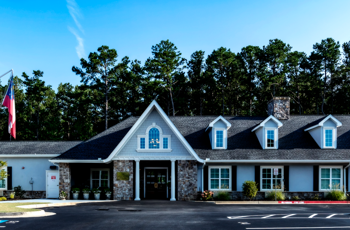 The Sylvia Brafman Mental Health Center
Cumming, Georgia
-
 Mirror Lake Recovery Center
Burns, Tennessee
-
 Blue Ridge Mountain Recovery Center
Ball Ground, Georgia
-
 Samba Recovery Atlanta
Jonesboro, Georgia
-
 Restoration House Ministries - Newport Campus
Newport, Tennessee
-
MARR Right Side Up - DeKalb and Fulton Centers
Atlanta, Georgia
-
WestCare Georgia Guidance Center
Barnesville, Georgia
-
Avita Community Partners - Behavioral Health Crisis Center
Gainesville, Georgia
Recovery Foundation with A Personalized Approach
The 28-day residential program is designed to help adults build structure, accountability, and real-life recovery skills. Clients take part in small group therapy, individual counseling, and education on addiction, relapse prevention, and emotional regulation. Each person works with a counselor to set goals, review progress weekly, and work on skills to feel equipped for life after treatment.
Structured, Long-Term Outpatient Care to Sustain Recovery
Intensive outpatient programs (IOP) meet for morning and evening sessions three days a week, focusing on community support, relapse prevention, and building a plan for long-term sobriety. The Matrix Intensive Outpatient Group provides a structured, evidence-based track, combining therapy, family education, and early recovery skills. For ongoing stability, a 12-month program pairs medications with counseling and peer support to help clients maintain balance and independence.
Beginning Recovery After Substance-Related Offenses
The state-certified DUI School is for individuals with DUI or alcohol-related offenses, and teaches the effects of alcohol and drug use and their impact on physical health, relationships, and decision-making.
Client Reviews
Most reviewers describe CADAS as a place that offers life-changing structure, caring staff, and a true opportunity for recovery. Alumni frequently credit the program with long-term sobriety and renewed stability, while some families and clients report communication gaps or inconsistent treatment experiences.
- Staff & Care Experience (75% positive): Many clients praise counselors and recovery staff as compassionate, knowledgeable, and invested in client success. A smaller number mention unprofessional interactions, especially in admissions or phone support. “The staff was amazing and helped me find myself again.”
- Treatment Quality & Outcomes (80% positive): The most common praise centers on lasting sobriety and effective therapy for those ready to engage. Some reviews describe being discharged too quickly or feeling unsupported during detox. “They helped save my life after 20 years of addiction.”
- Facility & Environment (65% positive): Clients note a generally clean setting and good food, though recurring complaints mention overheated rooms, limited comfort, or contraband concerns. “Great food but rooms were very hot.”
- Access & Process (55% positive): Admission and communication issues are a consistent challenge, including missed appointments, long waits, and family call restrictions. Several families mention unclear updates during treatment. “I brought him at his appointment time, but they said it was never made.”
- Support & Community (85% positive): Alumni highlight peer accountability and enduring friendships formed in treatment as central to ongoing recovery. “We still support each other on our recovery journeys.”
Cost and Insurance
Insurance Accepted
-

-

-

-

-

-

-
-

- Other Private Insurance

Disclaimer: Additional insurance plans may be accepted. Please contact the provider directly to confirm current coverage details, as this information may change.
Cost
$ - Low Cost Facility
Cost ratings are our best estimates to help guide you, not guarantees. Actual costs may vary with treatment, insurance, and other factors. While we aim for accuracy, details may change.
Financial Assistance
- Does not offer Free
- Does offer Payment assistance
- Does offer Sliding fee scale
Nearby Facilities
Loading...
No results for your current selections
View all facilities-
 Council for Alcohol/DA Servs Inc - (CADAS)/Scholze Ctr for Adolescents
Chattanooga, Tennessee
-
 Focus Treatment Centers
Chattanooga, Tennessee
Treatment
Treatment Setting
- Intensive outpatient treatment (IOP)
- Long-term residential
- Outpatient (methadone/buprenorphine or naltrexone treatment)
- Outpatient day treatment or partial hospitalization
- Regular outpatient treatment
- Residential detoxification
- Short-term residential
Treatment Approaches
- 12-step program support
- Anger control support
- Brief intervention
- Cognitive behavioral therapy (CBT)
- Incentive-based therapy
- Matrix Model program
- Motivational interviewing
- Relapse prevention support
- Substance use counseling
- Trauma-focused counseling
Additional Support and Services
- Case management support
- Help with transportation
- HIV early intervention services
- Mental health support
- Social skills training
Counseling and Education
- Family therapy
- General health education services
- Group therapy
- Hepatitis education and support
- HIV/AIDS education and support
- One-on-one counseling
- Substance use education
Transition Support
- Discharge and next steps planning
- Ongoing recovery care
- Overdose prevention and naloxone education
- Post-discharge follow-up
Testing & Pre-Treatment
- Breathalyzer testing for alcohol
- Community outreach and support
- Comprehensive health checkup
- Hepatitis B testing
- Hepatitis C testing
- Mental health screening
- Oral fluid testing for drugs or alcohol
- Substance use assessment
- Temporary support for clients
- Testing for HIV
- Testing for Sexually Transmitted Infections
- Tuberculosis screening
- Urine testing for drugs or alcohol
- Substance use screening
Amenities and Experiences
Amenities
- Fitness center
Activities
- Fitness activities
- Gender-specific support groups
- Job training
- Life skills workshops
- Offsite outings
Settings
- City
Policies
- Smoking allowed in designated areas
- Vaping allowed in designated areas
Ownership Type
- Non-profit
Quality and Trust
Trust Score
A simple A–E grade that offers a quick view of how much confidence you might place in a facility. It’s not a guarantee of quality or outcomes, but a data-informed tool to help guide your search. More on our methodology.
The Joint Commission
The Joint Commission is one of the most trusted names in healthcare. If a rehab center has this accreditation, it means they meet strong national standards for safety, treatment quality, and staff training.
Learn moreReviews and Ratings
- Exceptional and caring staff dedicated to client recovery.
- Many clients report long-term sobriety and life-changing experiences after treatment.
- CADAS is a vital resource in the community for addiction support and recovery.
Popular Destinations
Loading...
-
Mirror Lake Recovery Center
Burns, TN
-
 New Hope Healthcare Institute
Knoxville, TN
-
 The Recovery Team – Nashville
Brentwood, TN
-
 Robert Alexander Center For Recovery
Mount Washington, KY
-
 Arrowwood
Hopewell, VA
-
 Neartown Recovery - Men's Treatment
Kirksey, KY
-
Blue Ridge Mountain Recovery Center
Ball Ground, GA
-
 Boca Recovery Center
Pompano Beach, FL
-
 Lincoln Recovery
Raymond, IL
-
 The Recovery Team - Delray Beach
Delray Beach, FL
-
 Wilmington Treatment Center
Wilmington, NC
-
 Mount Regis Center
Salem, VA

Loading...
No results for your current selections
View all facilities in CaliforniaLoading...
No results for your current selections
View all facilities in ArizonaLoading...
No results for your current selections
View all facilities in FloridaHow we research treatment facilities
Across the site, our team has conducted over 1,000 pre-admissions calls to better understand the patient experience, interviewed facility clinical leaders, performed facility background checks, and compared our information against trusted public data sources.
Our research process begins with data from the Substance Abuse and Mental Health Services Administration (SAMHSA), accrediting bodies including The Joint Commission and CARF, government licensing agencies, and other trusted sources. From there, our team conducts significant original research, including:
- Pre-admissions calls: We speak with admissions staff to get a candid picture of patient experience.
- Background checks: We review complaints from past clients, media reports, actions taken by accrediting bodies, and positive recognition from notable organizations.
- Clinical interviews: We have in-depth conversations with clinical leadership, often lasting up to one hour, that give us a better understanding of clinical care.
- Data partnerships: We ingest and analyze exclusive data that provides information about in-network insurance status, cost, and more.
Research varies by facility. Each facility profile shows which research steps we completed and when each step was last performed. Learn more about our research process and background checks.
How we evaluate treatment facilities
These data help us develop a Trust Score for each facility—a simple letter grade that helps you assess how much confidence to place in a facility based on the information available to us. Trust Score considers accreditation, operating history, notable recognition, and concerns identified during our background check. Our Trust Score is an objective rating that is never influenced by advertiser payment. Learn more about our Trust Score methodology.
Important disclaimer
We cannot guarantee the quality of treatment at any facility. We cannot independently confirm the accuracy of every data point, and some information may become outdated or change over time. A Trust Score is a starting point, not a guarantee of treatment quality or outcomes. Please contact us if you would like to update or correct facility information.