Cook Inlet Tribal Council Inc - Ernie Turner Center
Overview
Adult residential addiction treatment program that combines traditional approaches to healing with evidence-based care, rooted in Alaska Native cultural values. Treatment planning considers how trauma, personal history, culture, and life circumstances shape recovery. During intake, clients connect with a peer navigator who offers support while they wait for their initial assessment. The program emphasizes resilience, community relationships, and culturally responsive care, helping clients build on their strengths as they work toward recovery.
Ages Served
- Adults (Ages 26-64)
- Young Adults (Ages 18-25)
Genders Accepted
- Female
- Male
Languages Served
- Sign language
- English
Treatment
- Long-term residential
Special Programs
- Adult men
- Adult women
- Past trauma
- Mental health disorders
- Young adults
Similar Facilities
Loading...
No results for your current selections
View all facilities-
 Seaview Recovery Center
Seward, Alaska
-
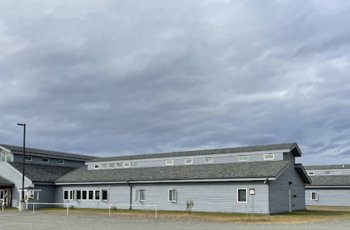 AK Add Rehabilitation Services inc
Wasilla, Alaska
-
Akeela Inc - Stepping Stones Residential Trt Center
Anchorage, Alaska
-
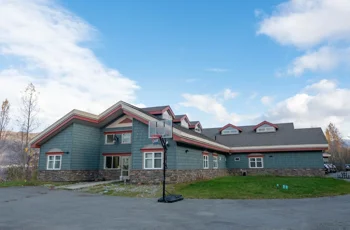 Volunteers of America (VOA)/Alaska - Residential/ARCH
Anchorage, Alaska
-
 Salvation Army Clitheroe Center - Mens Residential
Anchorage, Alaska
-
 Set Free Alaska - Compass
Homer, Alaska
-
Southcentral Foundation - Dena A Coy
Anchorage, Alaska
-
 Set Free Alaska - Valley Oaks Residential Treatment Ctr
Wasilla, Alaska
-
 Akeela House Recovery Center
Anchorage, Alaska

Who is this facility a good fit for?
- Best fit if: Adults seeking residential addiction treatment; wanting treatment that integrates traditional cultural values, community connection, spiritual wellness, and evidence-based approaches; seeking community and peer support; needing support for co-occurring mental health disorders.
- Not a fit if: Adolescents; adults seeking only outpatient treatment; wanting luxury accommodations; needing medically supervised withdrawal management (detox); requiring hospital-level psychiatric care.
What to expect
Developing your care plan
- Initial contact: People interested in treatment can walk in or call to schedule an appointment and are then connected with a peer navigator who listens to their needs and offers support while they wait for an assessment.
- Collaborative recovery planning: Clients work with the care team to develop a personalized recovery plan. Clinicians, case managers, peer specialists, and substance use counselors all contribute to care.
- A multi-factor approach: Planning considers multiple factors, including personal history, culture, life circumstances, and individual strengths, rather than focusing solely on substance use.
Who you will meet with
- Peer navigators: Peer navigators introduce potential clients to the recovery process and provide support while they wait for an assessment.
- Substance use counselors: Substance use counselors lead individual and group substance use counseling.
- Clinicians: Clinicians participate in individual and group treatment and recovery planning.
- Case managers: Case managers help coordinate care and practical services.
- Peer specialists: Peer specialists provide recovery-oriented support and community connection.
Typical schedule
- Daily programming: Daily programming can include individual and group counseling, trauma-related counseling, relapse prevention, and substance use education. The facility also emphasizes cultural practices, community support, and spiritual wellness in its broader recovery approach.
Living experiences and amenities
- A community-oriented environment: Ernie Turner Center provides 24-hour residential substance use treatment and emphasizes interdependence, respect, accountability, resilience, and community support. It also incorporates traditional cultural values and spiritual wellness into its broader recovery approach.
Aftercare
- Discharge planning: Staff can help clients with housing assistance, employment counseling, and social services assistance. Other services may also be available from the broader Cook Inlet Tribal Council network at the Nat'uh Outpatient Center and Chanlyut House.
Pre-admissions experience
We conducted a series of pre-admissions calls, the most recent on November 12, 2026, to evaluate response time, transparency, and patient experience.
We attempted to connect with a representative from Cook Inlet Tribal Council multiple times in one week. Neither call was answered.
How we researched this facility
- Reviewed by: Jennifer Trimbee, registered nurse, content writer, and strategist, reviewed the research findings and wrote this facility profile on November 14, 2026.
- Facility data research: On September 30, 2026, our research team reviewed the facility’s website and information from public health departments, national accrediting organizations, and SAMHSA to verify facility details.
- Pre-admissions call: On November 12, 2026, our content team called the facility to evaluate responsiveness, transparency, and the prospective patient experience.
Cost and Insurance
Insurance Accepted
-

-

-

- Some Private Insurance
Disclaimer: Additional insurance plans may be accepted. Please contact the provider directly to confirm current coverage details, as this information may change.
Cost
$ - Facility
Cost ratings are our best estimates to help guide you, not guarantees. Actual costs may vary with treatment, insurance, and other factors. While we aim for accuracy, details may change.
Financial Assistance
- Does not offer Free
- Does not offer Payment assistance
- Does offer Sliding fee scale
Nearby Facilities
Loading...
No results for your current selections
View all facilities-
 Salvation Army Clitheroe Center - Womens Residential
Anchorage, Alaska
-
Akeela House Recovery Center
Anchorage, Alaska
-
My House
Wasilla, Alaska
-
 Alaska VA Healthcare System - Anchorage Midtown VA Medical Center
Anchorage, Alaska
-
Set Free Alaska - Valley Oaks Residential Treatment Ctr
Wasilla, Alaska
-
Southcentral Foundation - Dena A Coy
Anchorage, Alaska
-
Salvation Army Clitheroe Center - Mens Residential
Anchorage, Alaska
-
Volunteers of America (VOA)/Alaska - Residential/ARCH
Anchorage, Alaska
-
Akeela Inc - Stepping Stones Residential Trt Center
Anchorage, Alaska
-
AK Add Rehabilitation Services inc
Wasilla, Alaska
Treatment
Treatment Setting
- Long-term residential
Treatment Approaches
- Anger control support
- Brief intervention
- Cognitive behavioral therapy (CBT)
- Community reinforcement plus vouchers
- Incentive-based therapy
- Matrix Model program
- Motivational interviewing
- Relapse prevention support
- Substance use counseling
- Trauma-focused counseling
Additional Support and Services
- Case management support
- Help with transportation
- Mental health support
- Social skills training
Counseling and Education
- Group therapy
- Job training and educational support
- One-on-one counseling
- Substance use education
- Tobacco and vaping cessation counseling
Transition Support
- Discharge and next steps planning
- Ongoing recovery care
- Overdose prevention and naloxone education
Testing & Pre-Treatment
- Breathalyzer testing for alcohol
- Mental health assessment
- Mental health screening
- Oral fluid testing for drugs or alcohol
- Substance use assessment
- Tobacco use assessment
- Urine testing for drugs or alcohol
- Substance use screening
Amenities and Experiences
Activities
- Job training
Policies
- No smoking allowed
- No vaping allowed
Ownership Type
- Non-profit
Quality and Trust
Trust Score
A simple A–E grade that offers a quick view of how much confidence you might place in a facility. It’s not a guarantee of quality or outcomes, but a data-informed tool to help guide your search. More on our methodology.

Commission on Accreditation of Rehabilitation Facilities
CARF reviews rehab programs to make sure they provide respectful, effective, and personalized care. For addiction treatment, CARF uses standards developed with the American Society of Addiction Medicine (ASAM), so this accreditation shows the program follows trusted, evidence-based guidelines for treating substance use.
Learn morePopular Destinations
Loading...
-
 Monarch Shores
Dana Point, CA
-
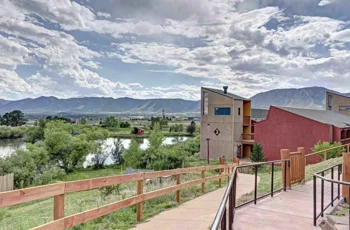 Mountain Springs Recovery
Monument, CO
-
 California Detox
Laguna Beach, CA
Loading...
No results for your current selections
View all facilities in CaliforniaLoading...
No results for your current selections
View all facilities in ArizonaLoading...
No results for your current selections
View all facilities in FloridaHow we research treatment facilities
Across the site, our team has conducted over 1,000 pre-admissions calls to better understand the patient experience, interviewed facility clinical leaders, performed facility background checks, and compared our information against trusted public data sources.
Our research process begins with data from the Substance Abuse and Mental Health Services Administration (SAMHSA), accrediting bodies including The Joint Commission and CARF, government licensing agencies, and other trusted sources. From there, our team conducts significant original research, including:
- Pre-admissions calls: We speak with admissions staff to get a candid picture of patient experience.
- Background checks: We review complaints from past clients, media reports, actions taken by accrediting bodies, and positive recognition from notable organizations.
- Clinical interviews: We have in-depth conversations with clinical leadership, often lasting up to one hour, that give us a better understanding of clinical care.
- Data partnerships: We ingest and analyze exclusive data that provides information about in-network insurance status, cost, and more.
Research varies by facility. Each facility profile shows which research steps we completed and when each step was last performed. Learn more about our research process and background checks.
How we evaluate treatment facilities
These data help us develop a Trust Score for each facility—a simple letter grade that helps you assess how much confidence to place in a facility based on the information available to us. Trust Score considers accreditation, operating history, notable recognition, and concerns identified during our background check. Our Trust Score is an objective rating that is never influenced by advertiser payment. Learn more about our Trust Score methodology.
Important disclaimer
We cannot guarantee the quality of treatment at any facility. We cannot independently confirm the accuracy of every data point, and some information may become outdated or change over time. A Trust Score is a starting point, not a guarantee of treatment quality or outcomes. Please contact us if you would like to update or correct facility information.