Johnson County Mental Health Center - ACT
Overview
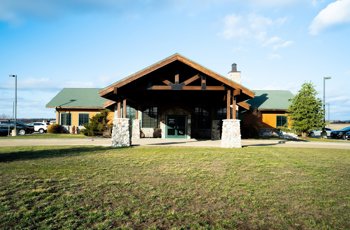
An 11-bed residential addiction treatment program for adolescents ages 12–17 that also addresses family relationships, academics, legal problems, and co-occurring mental health concerns. Treatment includes adolescent-specific and trauma-informed care. Clients have private rooms, share common relaxation areas, and participate in community outings and creative projects. Teens are encouraged to participate in outpatient services after treatment and are referred to them after discharge. Accepts Kansas Medicaid, Block Grant funding, private insurance, and self-pay. Johnson County residents may qualify for sliding-scale fees based on income and family size.


Ages Served
- Adults (Ages 26-64)
- Young Adults (Ages 18-25)
- Youth (Ages 12-17)
Genders Accepted
- Female
- Male
Languages Served
- English
Treatment
- Short-term residential
Special Programs
- Adolescents
- Court referrals
- Past trauma
- Mental health disorders
Similar Facilities
Loading...
No results for your current selections
View all facilities-
 The Haven Detox - Oklahoma
Tulsa, Oklahoma
-
 Grand Falls Center For Recovery
Joplin, Missouri
-
 MercyOne House Mercy - Des Moines
Des Moines, Iowa
-
 Bridge Behavioral Health
Lincoln, Nebraska
-
 Open Door Missions - Mens Ministries
Omaha, Nebraska
-
Burrell Behavioral Health
Nixa, Missouri
-
 Benilde Hall Program
Kansas City, Missouri
-
Northeastern Oklahoma Council on - Alcoholism Inc
Miami, Oklahoma
-
Saint Monicas Behavioral Health Servs - Women Are Sacred
Lincoln, Nebraska
-
 Powell Chemical Dependency Program - Iowa Lutheran Hospital
Des Moines, Iowa
Who is this facility a good fit for?
- Best fit if: Adolescents ages 12–17 needing residential substance use treatment; whose substance use impacts several areas of life; who may benefit from residential treatment alongside a small group of peers; who would benefit from a trauma-informed environment with around-the-clock support.
- Not a fit if: Adults or young adults ages 18 and older; teens who do not require residential care; teens who require significant medical or psychiatric services in addition to substance use treatment; teens who need transportation assistance.
What to expect
Developing your care plan
- Individualized treatment plans: Rather than moving every teen through the same program, this facility establishes an individualized recovery plan for each client. Comprehensive substance use and mental health assessments and screenings are used to guide the process.
- Various treatment approaches: Clinicians use various approaches to treatment depending on individual clients' needs. These may include evidence-based approaches, like cognitive behavioral therapy (CBT) and substance use disorder counseling, integrated with 12-Step programs, relapse prevention, anger management, and brief interventions.
- A focus on relevant challenges: Treatment plans address substance use and co-occurring mental health concerns in various ways. Plans are built to address factors that may impact daily life, including family relationships, school performance, legal concerns, and recovery skills.
Who you will meet with
- Licensed clinicians: Licensed clinicians meet with teens and use evidence-based practices to help them understand the effects of alcohol and other drug use and build attitudes and skills to support recovery. Individual, group, and family counseling may be available.
- Case managers: Case managers may help guide clients through treatment and connect them with outside resources. All clients are encouraged to participate in outpatient services and are referred to them after discharge.
- Direct care staff: Staff is available 24/7 to assist clients while in treatment and help them meet their needs.
Typical schedule
- Small, structured program: Teens may spend time in individual and group therapy during daily programming.
- Outings and activities: In addition to clinical programming, teens participate in community outings, such as bowling or going out for pizza, and creative recovery activities, including making tie-dye shirts and painting recovery stones to mark progress.
Living experiences and amenities
- A relaxed space: The program accommodates only 11 teens at a time, making for a more intimate environment. Clients have private rooms but share common spaces, including a lounge, outdoor gardens, relaxation areas.
- Activities: Outings and creative activities give teens opportunities to interact outside of groups and practice social skills in the community.
Aftercare
- Referrals to outside services: All clients are encouraged to participate in outpatient services and are referred to appropriate support after discharge.
Facility transparency
- Verified by Start Your Recovery: On August 19, 2026, our research team conducted a comprehensive review of this facility's advertising claims, registrations from public health departments, national accrediting bodies, and SAMHSA.
Cost and Insurance
Insurance Accepted
-

-

- Some Private Insurance
Disclaimer: Additional insurance plans may be accepted. Please contact the provider directly to confirm current coverage details, as this information may change.
Cost
$ - Low Cost Facility
Cost ratings are our best estimates to help guide you, not guarantees. Actual costs may vary with treatment, insurance, and other factors. While we aim for accuracy, details may change.
Financial Assistance
- Does not offer Free
- Does not offer Payment assistance
- Does not offer Sliding fee scale
Nearby Facilities
Loading...
No results for your current selections
View all facilities-
 KidsTLC
Olathe, Kansas
-
 The Recovery Village Kansas City Drug & Alcohol Rehab
Raytown, Missouri
-
ReDiscover's Woodland
Kansas City, Missouri
-
Brightli - Comprehensive Mental Health/Resid
Independence, Missouri
-
 Mirror Inc - Shawnee Residential
Shawnee, Kansas
-
Johnson County Mental Health Center - Adult Detox Unit
Shawnee, Kansas
-
Brightli - Burrell Behavioral Health
Kansas City, Missouri
-
Benilde Hall Program
Kansas City, Missouri
-
Brightli - Burrell Behavioral Health
Independence, Missouri
-
Salvation Army ARC (Adult Recovery Center) - Kansas City
Kansas City, Missouri
Treatment
Treatment Setting
- Short-term residential
Treatment Approaches
- 12-step program support
- Anger control support
- Brief intervention
- Cognitive behavioral therapy (CBT)
- Matrix Model program
- Motivational interviewing
- Relapse prevention support
- Substance use counseling
Additional Support and Services
- Case management support
- Mental health support
- Social skills training
Counseling and Education
- Family therapy
- General health education services
- Group therapy
- Hepatitis education and support
- HIV/AIDS education and support
- Job training and educational support
- One-on-one counseling
- Substance use education
- Tobacco and vaping cessation counseling
Transition Support
- Discharge and next steps planning
- Ongoing recovery care
- Overdose prevention and naloxone education
- Post-discharge follow-up
Testing & Pre-Treatment
- Intervention and education support
- Mental health assessment
- Mental health screening
- Oral fluid testing for drugs or alcohol
- Substance use assessment
- Temporary support for clients
- Tobacco use assessment
- Tuberculosis screening
- Urine testing for drugs or alcohol
- Substance use screening
Amenities and Experiences
Amenities
- Gardens
- Outdoor relaxation lounge
- Relaxation lounge
Room Amenities
- Outdoor space
- Private rooms
- Sofa
Activities
- Job training
- Life skills workshops
- Offsite outings
Policies
- No smoking allowed
- No vaping allowed
Ownership Type
- Government (Local)
Quality and Trust
Trust Score
A simple A–E grade that offers a quick view of how much confidence you might place in a facility—based on public and self-reported data. It’s not a guarantee of quality or outcomes, but a data-informed tool to help guide your search. More on our methodology.
Commission on Accreditation of Rehabilitation Facilities
CARF reviews rehab programs to make sure they provide respectful, effective, and personalized care. For addiction treatment, CARF uses standards developed with the American Society of Addiction Medicine (ASAM), so this accreditation shows the program follows trusted, evidence-based guidelines for treating substance use.
Learn morePopular Destinations
Loading...
-
The Haven Detox - Oklahoma
Tulsa, OK
-
 Mountain Springs Recovery
Monument, CO
-
Grand Falls Center For Recovery
Joplin, MO
-
 Lincoln Recovery
Raymond, IL
-
 Monarch Shores
Dana Point, CA
-
 Boca Recovery Center
Pompano Beach, FL
Loading...
No results for your current selections
View all facilities in CaliforniaLoading...
No results for your current selections
View all facilities in ArizonaLoading...
No results for your current selections
View all facilities in FloridaStart Your Recovery provides facility information using publicly available data from the Substance Abuse and Mental Health Services Administration as well as other sources. We cannot independently verify the accuracy of all data. Start Your Recovery does not guarantee the quality of care or results of working with any provider or treatment facility. Please contact us if you are the proprietor of a facility and have updates or corrections to site content. The information provided on this site is intended for educational purposes, and is not a substitute for professional medical guidance or treatment.