CenterPointe of Columbia
Overview
Psychiatric hospital providing acute inpatient care focusing on stabilization or withdrawal management (detox) for clients with mental health challenges with or without co-occurring substance use. The average stay is seven to ten days. Discharge planning begins early, with staff helping clients find longer-term rehab options, which may include outpatient programs offered by the broader facility. Age-specific mental health programming for children, adolescents, adults, and seniors is also available. Accepts most major insurance plans, Medicare, and Medicaid.


Ages Served
- Seniors (Ages 65+)
- Adults (Ages 26-64)
- Young Adults (Ages 18-25)
- Youth (Ages 12-17)
Genders Accepted
- Female
- Male
Languages Served
- English
Treatment
- Hospital inpatient detoxification
- Hospital inpatient treatment
- Intensive outpatient treatment (IOP)
- Outpatient day treatment or partial hospitalization
Special Programs
- Adolescents
- Adult men
- Adult women
- Past trauma
- Mental health disorders
- Seniors
- Young adults
Similar Facilities
Loading...
No results for your current selections
View all facilities-
 Lincoln Recovery
Raymond, Illinois
-
 McCallum Place
St. Louis, Missouri
-
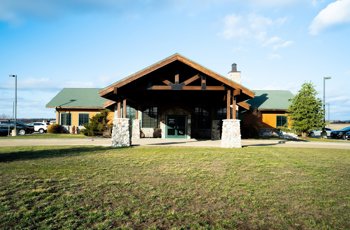 Grand Falls Center For Recovery
Joplin, Missouri
-
 MercyOne House Mercy - Des Moines
Des Moines, Iowa
-
 Human Service Center - Trillium Place/New Leaf
Peoria, Illinois
-
 Gateway Foundation Inc - Gateway Foundation/Carbondale
Carbondale, Illinois
-
Preferred Family Healthcare - St. Charles - Old South River Rd.
Saint Charles, Missouri
-
Burrell Behavioral Health
Nixa, Missouri
-
 Illinois Recovery Center LLC
Belleville, Illinois
-
 Benilde Hall Program
Kansas City, Missouri
Who is this facility a good fit for?
Best fit if: Adults seeking 24-hour acute inpatient stabilization or withdrawal management; who have substance use and mental health symptoms that need to be assessed together; seeking access to a comprehensive treatment team during a short-term inpatient stay; seeking to have their next steps in treatment planned quickly; who need flexible entry into treatment; children, adolescents, or seniors seeking age-focused mental health treatment.
Not a fit if: Adults seeking long-term residential treatment; looking for a luxury or resort-style experience; who want a program with extensive recreation or wellness amenities; families who want frequent or flexible visitation.
What to expect
Developing your care plan
- First steps: Clients can arrange assessments ahead of time or walk in to start the process. The initial assessment covers mental health and substance use challenges, and an on-call provider reviews the assessment and determines the appropriate course of treatment.
- First 24 hours: If admitted, clients meet with a psychiatrist and other clinicians within 24 hours. At this time, a care plan focused on stabilization and coping skills is developed. Treatment can also include family therapy, group therapy, and experiential therapy, depending on individual needs.
- Discharge planning: Discharge planning begins within the first few days. When appropriate, staff can help clients explore what longer-term options are available or refer them to outpatient programs offered by CenterPointe.
Who you will meet with
- Psychiatrists: Psychiatrists assess clients, contribute to care planning, and manage medications.
- Nurses: Nursing staff provides around-the-clock care, administering medications and monitoring clients through withdrawal.
- Assigned therapists: Clients work with an assigned therapist throughout their stay to begin working on coping skills and other challenges related to substance use and other mental health conditions.
- Case workers: Each client works with an assigned case worker who supports discharge planning and helps connect clients with resources and next steps.
- Social workers: Social workers offer a range of support, including connecting clients with outside resources.
Typical schedule
- Group programming: Groups take place throughout the day and may be led by nurses, social workers, or behavioral health associates. Music therapy and recreational groups are also integrated into care, adding nontraditional activities to the clinical schedule.
- Recreation and downtime: Clients have opportunities to go outside, weather and schedule permitting. Between groups, they can also read, draw, or watch TV on the unit.
Living experiences and amenities
- Shared living spaces: Clients typically share a room with one other person, though private rooms may be available in extenuating circumstances. There is a TV on the unit as well as books and drawing supplies that clients can use either independently or with peers during downtime.
- Outdoor activities: The facility features landscaped courtyards and grounds, and outdoor time may be available depending on weather, day, and schedule.
- Family contact and visitation: Family contact is somewhat limited. Family members can visit two evenings per week: Monday and Wednesday from 7–8:30 p.m. Visits are scheduled in 30-minute increments: 7–7:30, 7:30–8, or 8–8:30 p.m.
Aftercare
- Discharge planning: Discharge planning begins during the first few days of inpatient treatment. Staff help patients find longer-term placements or other rehab facilities to step down to when completing detox.
- Outpatient services: CenterPointe also offers outpatient programming, specifically an IOP for adolescents and adults. The program typically consists of nine therapeutic hours across three days each week, with an average duration of four to six weeks.
Pre-admissions experience
We conducted a series of pre-admissions calls, the most recent on August 17, 2026, to evaluate response time, transparency, and patient experience.
The representative we spoke to at CenterPointe was professional and reassuring. They offered clear information about clinical workflow, care team roles, daily group schedules, and amenities. They were also transparent about visitation policies, financial options, and the short-term, acute-care nature of the program.
Facility transparency
- Verified by Start Your Recovery: On August 18, 2026, our research team conducted a comprehensive review of this facility's advertising claims, registrations from public health departments, national accrediting bodies, and SAMHSA.
- Pre-admissions experience evaluation: Most recent call conducted on August 17, 2026.
Cost and Insurance
Insurance Accepted



Disclaimer: Additional insurance plans may be accepted. Please contact the provider directly to confirm current coverage details, as this information may change.
Financial Assistance
- Does not offer Free
- Does not offer Payment assistance
- Does not offer Sliding fee scale
Nearby Facilities
Loading...
No results for your current selections
View all facilities-
 Valley Hope of Boonville
Boonville, Missouri
-
Compass Health
Columbia, Missouri
-
Preferred Family Healthcare - Jefferson City
Jefferson City, Missouri
-
 Baltin Recovery Center Marshall
Marshall, Missouri
-
 Brightli - Preferred Family Healthcare Inc
Jefferson City, Missouri
Treatment
Treatment Setting
- Hospital inpatient detoxification
- Hospital inpatient treatment
- Intensive outpatient treatment (IOP)
- Outpatient day treatment or partial hospitalization
Treatment Approaches
- 12-step program support
- Anger control support
- Cognitive behavioral therapy (CBT)
- Motivational interviewing
- Relapse prevention support
- Substance use counseling
Additional Support and Services
- Case management support
- Mental health support
Counseling and Education
- Family therapy
- Group therapy
- One-on-one counseling
- Substance use education
Transition Support
- Discharge and next steps planning
- Ongoing recovery care
Testing & Pre-Treatment
- Mental health assessment
- Mental health screening
- Substance use assessment
- Substance use screening
Amenities and Experiences
Amenities
- Basketball court
- Fitness center
Room Amenities
- Desk
Activities
- AA/NA Meetings
- Fitness activities
Settings
- City
Policies
- No smoking allowed
- No vaping allowed
Ownership Type
- For-profit
Quality and Trust
Trust Score
A simple A–E grade that offers a quick view of how much confidence you might place in a facility. It’s not a guarantee of quality or outcomes, but a data-informed tool to help guide your search. More on our methodology.
The Joint Commission
The Joint Commission is one of the most trusted names in healthcare. If a rehab center has this accreditation, it means they meet strong national standards for safety, treatment quality, and staff training.
Learn morePopular Destinations
Loading...
-
Grand Falls Center For Recovery
Joplin, MO
-
 Sana Lake Recovery
Dittmer, MO
-
McCallum Place
St. Louis, MO
-
 The Haven Detox Little Rock
Little Rock, AR
-
 The Haven Detox West Memphis
West Memphis, AR
-
Lincoln Recovery
Raymond, IL
-
 Boca Recovery Center
Bloomington, IN
-
 Mountain Springs Recovery
Monument, CO
-
 The Haven Detox Oklahoma
Tulsa, OK
-
 Boca Recovery Center
Pompano Beach, FL
Loading...
No results for your current selections
View all facilities in CaliforniaLoading...
No results for your current selections
View all facilities in ArizonaLoading...
No results for your current selections
View all facilities in FloridaHow we research treatment facilities
Across the site, our team has conducted over 1,000 pre-admissions calls to better understand the patient experience, interviewed facility clinical leaders, performed facility background checks, and compared our information against trusted public data sources.
Our research process begins with data from the Substance Abuse and Mental Health Services Administration (SAMHSA), accrediting bodies including The Joint Commission and CARF, government licensing agencies, and other trusted sources. From there, our team conducts significant original research, including:
- Pre-admissions calls: We speak with admissions staff to get a candid picture of patient experience.
- Background checks: We review complaints from past clients, media reports, actions taken by accrediting bodies, and positive recognition from notable organizations.
- Clinical interviews: We have in-depth conversations with clinical leadership, often lasting up to one hour, that give us a better understanding of clinical care.
- Data partnerships: We ingest and analyze exclusive data that provides information about in-network insurance status, cost, and more.
Research varies by facility. Each facility profile shows which research steps we completed and when each step was last performed. Learn more about our research process and background checks.
How we evaluate treatment facilities
These data help us develop a Trust Score for each facility—a simple letter grade that helps you assess how much confidence to place in a facility based on the information available to us. Trust Score considers accreditation, operating history, notable recognition, and concerns identified during our background check. Our Trust Score is an objective rating that is never influenced by advertiser payment. Learn more about our Trust Score methodology.
Important disclaimer
We cannot guarantee the quality of treatment at any facility. We cannot independently confirm the accuracy of every data point, and some information may become outdated or change over time. A Trust Score is a starting point, not a guarantee of treatment quality or outcomes. Please contact us if you would like to update or correct facility information.