Western Arkansas Csl and Guidance - Crisis Stabilization Unit
Overview
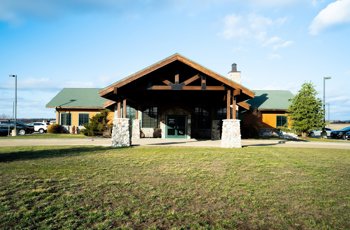
Located in Fort Smith, Western Arkansas Counseling and Guidance Center’s Crisis Stabilization Unit provides short-term residential treatment for adults experiencing a substance use or mental health crisis. Medications for addiction treatment (MAT) can be prescribed to reduce withdrawal symptoms, and mental health medications can be administered as needed. The unit is part of a community clinic that offers residential and outpatient treatment, with care plans that include 12-step work and trauma-informed counseling.
Ages Served
- Adults (Ages 26-64)
- Young Adults (Ages 18-25)
Genders Accepted
- Female
- Male
Languages Served
- Sign language
- English
Treatment
- Outpatient (methadone/buprenorphine or naltrexone treatment)
- Regular outpatient treatment
- Residential detoxification
- Short-term residential
Special Programs
- Service members
- Adolescents
- Adult men
- Adult women
- Court referrals
- Mental health disorders
- Veterans
- Seniors
- Young adults
Similar Facilities
Loading...
No results for your current selections
View all facilities-
 The Haven Detox - Little Rock
Little Rock, Arkansas
-
 The Haven Detox - Oklahoma
Tulsa, Oklahoma
-
 Grand Falls Center For Recovery
Joplin, Missouri
-
 Choctaw Nation - Recovery Center
Talihina, Oklahoma
-
 Gary E Miller Candian County - Childrens Justice Center
El Reno, Oklahoma
-
 Harbor House Inc
Fort Smith, Arkansas
-
Chickasaw Nation Hina Chokma - Mens Recovery Center
Ada, Oklahoma
-
 Northeastern Oklahoma Council on - Alcoholism Inc
Miami, Oklahoma
-
 Family Self Help Center Inc - DBA Lafayette House/CSTAR
Joplin, Missouri
-
Communities of Recovery Inc - DBA CORE
Springfield, Missouri
Short-Term Crisis Stabilization for Adults
The Adults Crisis Stabilization Unit offers short-term residential treatment, typically up to 72 hours, for adults experiencing a mental health or substance use crisis. In this 24-hour setting, clients receive immediate support to reduce risk, stabilize symptoms, and plan next steps. Suicide prevention services, naloxone and overdose education, and links to follow-up care help bridge the gap between crisis and ongoing treatment.
Integrated Mental Health and Substance Use Care
As the community mental health center and a Certified Community Behavioral Health Clinic for western Arkansas, this nonprofit program treats mental, emotional, behavioral, and substance use disorders in one system of care. Services range from outpatient counseling and regular outpatient substance use treatment to 24-hour residential programs, including residential withdrawal management (detox) and short-term residential care. The center serves adolescents, young adults, adults, older adults, veterans, active duty military, and people with co-occurring disorders.
Withdrawal Management and Medications for Addiction Treatment
For people withdrawing from alcohol, opioids, benzodiazepines, cocaine, or methamphetamines, the center provides medical withdrawal management, using medications routinely during this process. Medications for addiction treatment (MAT) can be prescribed, along with medications for mental health conditions and nicotine replacement. These supports can ease withdrawal, reduce cravings, and make it easier for clients to engage in counseling and other therapies.
Evidence-Based Therapies With Trauma Focus
Clients have access to a range of evidence-based approaches, including cognitive behavioral therapy (CBT), motivational interviewing, contingency management, anger management, trauma-related counseling, relapse prevention, substance use counseling, and 12-step facilitation. Telehealth therapy adds flexibility for people who cannot always attend in person. Individual, group, and family counseling, along with education on substance use and tobacco cessation, help clients understand their conditions and build skills for long-term recovery.
Support for Daily Life, Work, and Housing
Treatment is paired with services that address everyday needs that can affect recovery. Case management, housing services, and help obtaining social services support stability outside the clinic. Recovery coaches, mentoring, peer support, self-help groups, and social skills development help clients rebuild community and confidence. Employment counseling, job training, and ongoing aftercare and discharge planning are designed to support a return to work or school and reduce the risk of relapse over time.
Accessible Care for Western Arkansas Communities
Western Arkansas Counseling and Guidance Center serves residents of Crawford, Franklin, Logan, Polk, Scott, and Sebastian counties. As a private nonprofit organization, it focuses on making care affordable and accessible, serving clients regardless of ability to pay and offering sliding fee options based on income and family size. Transportation assistance can help clients reach appointments, and sign language services support deaf and hard-of-hearing individuals.
Cost and Insurance
Insurance Accepted
-

-

- Other Private Insurance



Disclaimer: Additional insurance plans may be accepted. Please contact the provider directly to confirm current coverage details, as this information may change.
Financial Assistance
- Does not offer Free
- Does offer Payment assistance
- Does offer Sliding fee scale
Nearby Facilities
Loading...
No results for your current selections
View all facilities-
Harbor House Inc
Fort Smith, Arkansas
-
 Valley Behavioral Health - Barling
Barling, Arkansas
-
 Stigler Health and Wellness Center
Poteau, Oklahoma
-
 Gateway Recovery Center
Fort Smith, Arkansas
-
Lumina Revenue Cycle Management - Lumina Behavioral Health LLC
Van Buren, Arkansas
Treatment
Treatment Setting
- Outpatient (methadone/buprenorphine or naltrexone treatment)
- Regular outpatient treatment
- Residential detoxification
- Short-term residential
Treatment Approaches
- 12-step program support
- Anger control support
- Brief intervention
- Cognitive behavioral therapy (CBT)
- Incentive-based therapy
- Motivational interviewing
- Relapse prevention support
- Substance use counseling
- Trauma-focused counseling
Additional Support and Services
- Case management support
- Domestic violence support
- Help with transportation
- Mental health support
- Social skills training
Counseling and Education
- Family therapy
- Group therapy
- One-on-one counseling
- Substance use education
- Tobacco and vaping cessation counseling
Transition Support
- Discharge and next steps planning
- Ongoing recovery care
- Overdose prevention and naloxone education
- Post-discharge follow-up
Testing & Pre-Treatment
- Breathalyzer testing for alcohol
- Mental health assessment
- Mental health screening
- Monitoring for metabolic syndrome
- Oral fluid testing for drugs or alcohol
- Substance use assessment
- Temporary support for clients
- Tobacco use assessment
- Urine testing for drugs or alcohol
- Substance use screening
Amenities and Experiences
Activities
- Job training
- Life skills workshops
Settings
- City
Policies
- Smoking allowed in designated areas
- Vaping allowed in designated areas
Ownership Type
- Non-profit
Quality and Trust
Trust Score
A simple A–E grade that offers a quick view of how much confidence you might place in a facility—based on public and self-reported data. It’s not a guarantee of quality or outcomes, but a data-informed tool to help guide your search. More on our methodology.
Commission on Accreditation of Rehabilitation Facilities
CARF reviews rehab programs to make sure they provide respectful, effective, and personalized care. For addiction treatment, CARF uses standards developed with the American Society of Addiction Medicine (ASAM), so this accreditation shows the program follows trusted, evidence-based guidelines for treating substance use.
Learn more
National Committee for Quality Assurance
NCQA looks at how well a program stays on track?measuring results, using data to improve, and staying accountable. While it's more common in health insurance and medical clinics, some rehab centers earn this too. It means the program runs like a well-oiled machine and keeps getting better.
Learn more
Council on Accreditation
COA is known for reviewing organizations that support families and communities, including addiction treatment programs. Their seal means the rehab center has strong leadership, treats people with dignity, and follows proven practices across all levels of care.
Learn morePopular Destinations
Loading...
-
The Haven Detox - Little Rock
Little Rock, AR
-
 The Haven Detox - West Memphis
West Memphis, AR
-
Grand Falls Center For Recovery
Joplin, MO
-
The Haven Detox - Oklahoma
Tulsa, OK
-
 Mirror Lake Recovery Center
Burns, TN
-
 Boca Recovery Center
Pompano Beach, FL
-
 Monarch Shores
Dana Point, CA
Loading...
No results for your current selections
View all facilities in CaliforniaLoading...
No results for your current selections
View all facilities in ArizonaLoading...
No results for your current selections
View all facilities in FloridaStart Your Recovery provides facility information using publicly available data from the Substance Abuse and Mental Health Services Administration as well as other sources. We cannot independently verify the accuracy of all data. Start Your Recovery does not guarantee the quality of care or results of working with any provider or treatment facility. Please contact us if you are the proprietor of a facility and have updates or corrections to site content. The information provided on this site is intended for educational purposes, and is not a substitute for professional medical guidance or treatment.