Southern Maine Recovery
Overview
A low-intensity residential treatment program designed to bridge the gap between higher levels of care and independent living, offering 24/7 support while clients work toward greater independence. It offers medication-assisted treatment (MAT) but does not focus on withdrawal management (detox). Treatment includes individual, group, and family therapy, along with holistic and experiential activities. Clients receive vocational training, life skills education, and transportation to job interviews, medical appointments, recovery events, and volunteer opportunities. A typical stay is 3–6 months. Most major insurance providers are accepted.


Ages Served
- None listed
Genders Accepted
- None listed
Languages Served
- English
Treatment
- None listed
Special Programs
- None listed
Who is this facility a good fit for?
- Best fit if: Adults who have completed withdrawal management (detox) or higher-acuity residential treatment and still want structured support before living independently; want to engage in real-world settings while continuing to receive clinical oversight; are interested in a longer stay focused on building life skills and reintegrating into the community; and value family involvement in recovery.
- Not a fit if: Adults seeking detox services; those needing hospital-level medical or psychiatric care; those who prefer a luxury experience; those who want a short-term stabilization program; or those seeking traditional inpatient rehab.
What to expect
Developing your care plan
- Initial screening and assessment: Planning begins with a brief pre-admissions assessment. After clients arrive, they receive a comprehensive medical evaluation, physical examination, medical history review, and a mental and physical health assessment that help to guide treatment.
- Balancing autonomy and support: Care plans are tailored to meet clients’ needs as they gain more confidence over time. The facility intentionally increases autonomy during client stays to encourage independence while continuing to provide appropriate support.
- Measuring progress: Client progress is measured in several ways, including regular reassessments and evaluations of increasing independence. Staff also assess whether clients can manage daily responsibilities, participate in community activities, develop relapse prevention skills, and are ready for independent living.
Who you will meet with
- Primary therapist: Typically the main point of contact during treatment, the primary therapist builds and updates care plans and meets with clients for individual cognitive behavioral therapy (CBT), dialectical behavior therapy (DBT), or trauma-informed therapy.
- Licensed medical team: The medical team helps ensure clients' health and safety during their stay.
- Family therapists: These clinicians work with clients and their loved ones to help address communication challenges, boundaries, and the impact addiction has had on the family.
- Group therapists: Licensed counselors facilitate group sessions where clients share their experiences with their peers, leading discussions about recovery, coping skills, and relationships.
- Recovery staff: Staff are available 24/7 to provide support when needed.
- Vocational support staff: These professionals help clients prepare for life after treatment and may offer support for things like employment or training programs.
Typical schedule
- Weekly clinical programming: Clients participate in up to 20 hours a week of clinical programming, which may include individual, family, and group therapy.
- Educational workshops: Clients attend structured workshops during the week to help build knowledge and life skills. These can focus on various topics, like the science of addiction or the latest science behind recovery strategies. Life skills topics, like time management, stress reduction, and financial literacy, are also offered.
- Vocational support: As clients prepare to transition out of treatment, they may spend time working with the facility's vocational support services, including practicing interview techniques, professional boundary setting, and workplace communication.
Living experiences and amenities
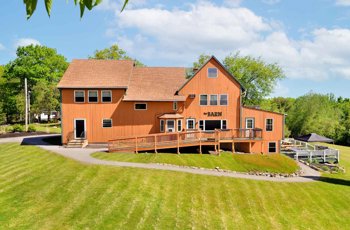
- Home-like atmosphere: The facility offers comfortable accommodations in a home-like setting. Clients may enjoy spending time in common spaces, outdoor areas, or spaces designed for quiet reflection.
- Holistic and experiential activities: Clients are encouraged to engage in holistic practices, like yoga, meditation, and mindfulness. The program also offers experiential activities, like creative arts therapy, outdoor activities, and community service projects.
- Transportation services: This facility provides reliable transportation to various activities, like job interviews, recovery events, and medical appointments.
Aftercare
- Comprehensive aftercare planning: Aftercare focuses on helping clients transition to independent living, connecting them with appropriate community resources, and recommending continuing care.
Facility transparency
- Verified by Start Your Recovery: On July 25, 2026, our research team conducted a comprehensive review of this facility's advertising claims, registrations from public health departments, national accrediting bodies, and SAMHSA.
Cost and Insurance
Financial Assistance
- Does not offer Free
- Does not offer Payment assistance
- Does not offer Sliding fee scale
Treatment
Other Conditions Treated
- Stress
- Trauma
Amenities and Experiences
Amenities
- Access to nature
- Healthy meals
- Outdoor relaxation lounge
- Relaxation lounge
Room Amenities
- Outdoor space
- Private rooms
- Shared room options
Activities
- Art therapy
- Secular meetings
- Yoga
- Fitness activities
- Job training
- Life skills workshops
- Offsite outings
- Volunteering opportunities
Policies
- Allows cell phones
Popular Destinations
Loading...
-
 Spring Hill Recovery
Ashby, MA
-
 Boca Recovery Center Massachusetts
Springfield, MA
-
 The Haven Detox Massachusetts
Worcester, MA
-
 Boca Recovery Center
Galloway, NJ
-
 Boca Recovery Center
Pompano Beach, FL
-
 Keystone Retreat Behavioral Health
Ephrata, PA
Loading...
No results for your current selections
View all facilities in CaliforniaLoading...
No results for your current selections
View all facilities in ArizonaLoading...
No results for your current selections
View all facilities in FloridaHow we research treatment facilities
Across the site, our team has conducted over 1,000 pre-admissions calls to better understand the patient experience, interviewed facility clinical leaders, performed facility background checks, and compared our information against trusted public data sources.
Our research process begins with data from the Substance Abuse and Mental Health Services Administration (SAMHSA), accrediting bodies including The Joint Commission and CARF, government licensing agencies, and other trusted sources. From there, our team conducts significant original research, including:
- Pre-admissions calls: We speak with admissions staff to get a candid picture of patient experience.
- Background checks: We review complaints from past clients, media reports, actions taken by accrediting bodies, and positive recognition from notable organizations.
- Clinical interviews: We have in-depth conversations with clinical leadership, often lasting up to one hour, that give us a better understanding of clinical care.
- Data partnerships: We ingest and analyze exclusive data that provides information about in-network insurance status, cost, and more.
Research varies by facility. Each facility profile shows which research steps we completed and when each step was last performed. Learn more about our research process and background checks.
How we evaluate treatment facilities
These data help us develop a Trust Score for each facility—a simple letter grade that helps you assess how much confidence to place in a facility based on the information available to us. Trust Score considers accreditation, operating history, notable recognition, and concerns identified during our background check. Our Trust Score is an objective rating that is never influenced by advertiser payment. Learn more about our Trust Score methodology.
Important disclaimer
We cannot guarantee the quality of treatment at any facility. We cannot independently confirm the accuracy of every data point, and some information may become outdated or change over time. A Trust Score is a starting point, not a guarantee of treatment quality or outcomes. Please contact us if you would like to update or correct facility information.