Family Life Center Inc - Rapha Treatment Center
Overview
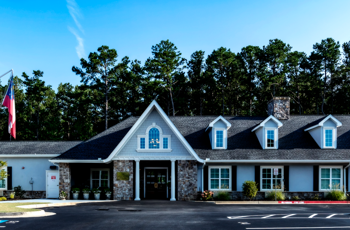
A men-only substance use program offering high-intensity and low-intensity residential treatment, as well as access to sober living. Located in Attalla, Alabama, Rapha Treatment Center’s care plans include evidence-based therapy, 12-step meetings, employment and vocational assistance, and medications for addiction treatment (MAT) to ease cravings and withdrawal symptoms. Men can also be connected to optional spiritual support. Payment assistance and a sliding fee scale are available.


Ages Served
- Seniors (Ages 65+)
- Adults (Ages 26-64)
- Young Adults (Ages 18-25)
Genders Accepted
- Male
Languages Served
- Sign language
- English
Treatment
- Long-term residential
- Short-term residential
Special Programs
- Adult men
Similar Facilities
Loading...
No results for your current selections
View all facilities-
 Freeman Recovery Center - Burns
Dickson, Tennessee
-
 The Sylvia Brafman Mental Health Center
Cumming, Georgia
-
 Mirror Lake Recovery Center
Burns, Tennessee
-
 Blue Ridge Mountain Recovery Center
Ball Ground, Georgia
-
 Oxford Treatment Center
Etta, Mississippi
-
 Samba Recovery Atlanta
Jonesboro, Georgia
-
 East Mississippi State Hospital - Substance Use Disorder Unit
Meridian, Mississippi
-
WestCare Georgia Guidance Center
Barnesville, Georgia
-
Men and Women for Human Excellence
Decatur, Georgia
-
Avita Community Partners - Behavioral Health Crisis Center
Gainesville, Georgia
Men’s Residential Care Designed for Long-Term Continuity
Rapha Treatment Centers’ men’s program is a residential option for adults who need a stable, recovery-focused setting beyond outpatient care. The campus offers more than one residential intensity, with the ability to step down as needs change and to access sober living as part of the recovery continuum. This phased model is built to support sustained engagement — helping men practice recovery skills over time while staying connected to the same overall program. Rapha is part of Family Life Center, a nonprofit provider serving communities across northern Alabama.
Clinical Support With Evidence-Based Approaches
The men’s program combines structured daily schedules with both group and individual counseling, plus peer support and 12-step meetings. Approaches include cognitive behavioral therapy (CBT), motivational interviewing, motivational incentives, the Matrix Model, brief intervention, and 12-step facilitation. Services also include substance use disorder education and counseling that focuses on relapse prevention and practical decision-making.
Trauma Counseling, Anger Management, and Family Involvement
For men whose substance use is tied to difficult experiences or reactive patterns, the program provides trauma-related counseling and anger management services. Family involvement is encouraged, and counseling options include family sessions and marital/couples counseling, which can help address communication breakdowns, trust issues, and home stressors that may complicate recovery. Additional supports include domestic violence services and suicide prevention services.
Life Skills, Work Support, and Recovery Resources After Discharge
Rapha emphasizes practical supports that connect recovery to day-to-day stability. Services include financial management classes, employment counseling or training, and vocational support — helpful for men rebuilding routine, income, and confidence. Case management and recovery planning are paired with recovery support services such as mentoring/peer support, recovery coaching, and self-help groups. The program can also assist with housing and navigating social services. Transition-focused services include discharge planning, aftercare/continuing care, overdose education and naloxone education, and outcome follow-up after discharge.
Client Reviews
Clients often describe a program with standout instructors and a faith-centered tone that can help build momentum in recovery. Recurring concerns include strict rule enforcement, work/fee expectations, and limited family support.
- Facility & Environment (55% positive): Reviews describe a simple, highly structured men’s setting that some people find motivating. Others say the environment can feel rigid or punitive. "This is an awesome place, healing is here."
- Staff & Care Experience (70% positive): Several clients praise specific counselors/instructors as supportive and impactful. Some families describe inconsistent interactions with staff members.
- Access & Process (45% positive): Some clients mention clear rules and approach, but multiple reviews raise concerns about being discharged quickly for policy violations and about required work or program fees. "I think their ‘no nonsense’ approach to recovery made the difference."
- Support & Community: Positive reviews point to classes, spirituality, and a sense of encouragement. One family review notes they didn’t feel included or supported during the process. "Really enjoy attending classes here, its really helped me to grow."
- Treatment Quality & Outcomes: Some former clients credit the program with major, long-term changes in sobriety. Others question consistency of outcomes and aftercare accountability once someone leaves. "it changed my life… still sober to this day."
Cost and Insurance
Insurance Accepted
- Some Private Insurance
Disclaimer: Additional insurance plans may be accepted. Please contact the provider directly to confirm current coverage details, as this information may change.
Cost
$ - Low Cost Facility
Cost ratings are our best estimates to help guide you, not guarantees. Actual costs may vary with treatment, insurance, and other factors. While we aim for accuracy, details may change.
Financial Assistance
- Does not offer Free
- Does offer Payment assistance
- Does offer Sliding fee scale
Nearby Facilities
Loading...
No results for your current selections
View all facilities-
 Bradford Health Services - Warrior
Warrior, Alabama
-
 CED Fellowship House Inc
Gadsden, Alabama
-
Bridge Inc - Northwood Addiction Treatment Center
Gadsden, Alabama
-
 New Life for Women
Gadsden, Alabama
-
Lighthouse of Cullman, Inc
Cullman, Alabama
-
 New Beginnings Recovery
Talladega, Alabama
-
 Anniston Fellowship House Inc
Anniston, Alabama
-
Crisis Stabilization Unit at Polk
Cedartown, Georgia
-
Murphy/Harpst Childrens Centers Inc
Cedartown, Georgia
Treatment
Treatment Setting
- Long-term residential
- Short-term residential
Treatment Approaches
- Anger control support
- Brief intervention
- Cognitive behavioral therapy (CBT)
- Incentive-based therapy
- Matrix Model program
- Motivational interviewing
- Relapse prevention support
- Substance use counseling
- Trauma-focused counseling
Additional Support and Services
- Case management support
- Social skills training
Counseling and Education
- Family therapy
- General health education services
- Group therapy
- Hepatitis education and support
- HIV/AIDS education and support
- One-on-one counseling
- Substance use education
- Tobacco and vaping cessation counseling
Transition Support
- Discharge and next steps planning
- Ongoing recovery care
- Overdose prevention and naloxone education
- Post-discharge follow-up
Testing & Pre-Treatment
- Mental health screening
- Oral fluid testing for drugs or alcohol
- Substance use assessment
- Temporary support for clients
- Tobacco use assessment
- Tuberculosis screening
- Urine testing for drugs or alcohol
- Substance use screening
Amenities and Experiences
Room Amenities
- Outdoor space
Activities
- Job training
- Life skills workshops
- Offsite outings
- Spiritual or faith-based services
Policies
- Smoking allowed in designated areas
- Vaping allowed in designated areas
Ownership Type
- Non-profit
Quality and Trust
Reviews and Ratings
Popular Destinations
Loading...
-
 The Recovery Team - Delray Beach
Delray Beach, FL
-
 The Haven Detox - Florida
West Palm Beach, FL
-
 Boca Recovery Center
Pompano Beach, FL
-
Blue Ridge Mountain Recovery Center
Ball Ground, GA
-
Mirror Lake Recovery Center
Burns, TN
Loading...
No results for your current selections
View all facilities in CaliforniaLoading...
No results for your current selections
View all facilities in ArizonaLoading...
No results for your current selections
View all facilities in FloridaHow we research treatment facilities
Across the site, our team has conducted over 1,000 pre-admissions calls to better understand the patient experience, interviewed facility clinical leaders, performed facility background checks, and compared our information against trusted public data sources.
Our research process begins with data from the Substance Abuse and Mental Health Services Administration (SAMHSA), accrediting bodies including The Joint Commission and CARF, government licensing agencies, and other trusted sources. From there, our team conducts significant original research, including:
- Pre-admissions calls: We speak with admissions staff to get a candid picture of patient experience.
- Background checks: We review complaints from past clients, media reports, actions taken by accrediting bodies, and positive recognition from notable organizations.
- Clinical interviews: We have in-depth conversations with clinical leadership, often lasting up to one hour, that give us a better understanding of clinical care.
- Data partnerships: We ingest and analyze exclusive data that provides information about in-network insurance status, cost, and more.
Research varies by facility. Each facility profile shows which research steps we completed and when each step was last performed. Learn more about our research process and background checks.
How we evaluate treatment facilities
These data help us develop a Trust Score for each facility—a simple letter grade that helps you assess how much confidence to place in a facility based on the information available to us. Trust Score considers accreditation, operating history, notable recognition, and concerns identified during our background check. Our Trust Score is an objective rating that is never influenced by advertiser payment. Learn more about our Trust Score methodology.
Important disclaimer
We cannot guarantee the quality of treatment at any facility. We cannot independently confirm the accuracy of every data point, and some information may become outdated or change over time. A Trust Score is a starting point, not a guarantee of treatment quality or outcomes. Please contact us if you would like to update or correct facility information.