Mile High Recovery Center
Overview
Residential and step-down substance use treatment for adults in a home-like environment (private insurance required). The 12-person group size and LGBTQIA+ affirming mission allows clients to receive individualized, compassionate attention. With an owner and staff members in long-term recovery, care comes from a place of firsthand understanding. Clients can choose between 12-step, SMART Recovery, or Dharma-based meetings to find a path that aligns with their views.


Ages Served
- Adults (Ages 26-64)
- Young Adults (Ages 18-25)
Genders Accepted
- Female
- Male
Languages Served
- English
Treatment
- Intensive outpatient treatment (IOP)
- Long-term residential
- Outpatient (methadone/buprenorphine or naltrexone treatment)
- Outpatient day treatment or partial hospitalization
- Regular outpatient treatment
- Residential detoxification
Special Programs
- Adult men
- Adult women
- LGBTQ
- Military families
- Past sexual abuse
- Past trauma
- Mental health disorders
- Veterans
- Young adults
Similar Facilities
Loading...
No results for your current selections
View all facilities-
 Mountain Springs Recovery
Monument, Colorado
-
 Volunteers of America Northern Rockies - Social Detox
Cheyenne, Wyoming
-
 Cedar Springs Hospital - New Choices Dual Diagnosis Program
Colorado Springs, Colorado
-
 Mesa County Criminal Justice Servs
Grand Junction, Colorado
-
 Stout Street Foundation - Substance Abuse Treatment
Commerce City, Colorado
-
 Sandstone Care Detox Center - Colorado Springs
Colorado Springs, Colorado
-
 Sobriety House Inc
Denver, Colorado
-
 Crossroads Turning Points Inc
Colorado Springs, Colorado
-
 Valle Wide Health Systems
La Junta, Colorado
-
 Sobriety House Inc - Stepping Stone
Denver, Colorado
Who is this facility a good fit for?
Best fit if: Adults who need structured residential care with a small program size; looking for a community-based program with step-down support; want LGBTQIA+ affirming care; have private insurance or can self pay.
Not a fit if: Need acute, hospital-level treatment; looking for methadone-based opioid treatment; unwilling to live in a residential environment or want outpatient-only care; have Medicaid and unable to self pay.
What to expect
Developing your care plan
- Personalized treatment: Care plans are adapted to each client’s needs. The small census size of 12 clients allows staff to provide maximum personal attention.
- Mental health support: Staff screen clients for co-occurring mental health symptoms and adjust treatment to address these alongside substance use.
- Progress assessment: Residential treatment typically lasts 24 to 34 days, though it can be longer depending on client need. Care plans evolve based on clinical progress, relapse risk, and need for structure.
Who you will meet with
- Individual therapist: Clients receive frequent one-on-one therapy to address their needs, setbacks, and goals through evidence-based methods.
- Clinical and medical staff: Doctors, nurses, and psychiatrists attend to clients’ health requirements and manage medication when appropriate.
- Behavioral health techs: Available 24/7 to address client needs.
- Case managers: Case management staff help clients with practical matters such as administrative tasks, FMLA paperwork, and legal issues.
Typical schedule
- Mornings: Clients make their own breakfast, then engage in a mix of therapy groups, meditation, 12-step or alternative recovery meetings, and education.
- Daily programming: Activities vary day to day, and include individual therapy, art therapy, outings, meetings, and evening downtime.
- Fitness: Clients have the opportunity to go to the gym every day.
- Weekend visitation: Saturday programming is shorter, lasting from 9:00 a.m. to 12:00 p.m. Visitation takes place from 12:00 p.m. to 1:00 p.m., so clients can spend time with loved ones.
Living experiences and amenities
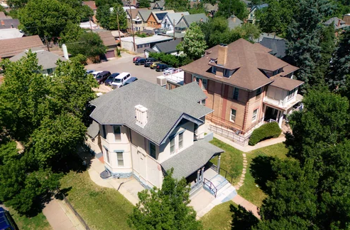
- Home environment: The residence is a large Victorian mansion with outdoor spaces, shared bedrooms, lounges, yoga spaces, and access to nearby parks and trails.
- Group outings: Clients regularly go on outings together to enjoy activities such as rock climbing, hiking, and museums. The clinical director owns a wolf sanctuary in the mountains, where clients occasionally visit.
- Chef-prepared meals: An on-site chef prepares lunch and dinner. Meals are healthy and can accommodate dietary needs.
Aftercare
- Step-down care: Once clients complete residential care, staff can guide transitions into PHP, IOP, regular outpatient care, and sober living.
- Alumni support: Alumni can return for social events and gatherings, support meetings, counseling, mentorship, and on-site aftercare.
Pre-Admissions Experience
We conducted a series of pre-admissions calls, the most recent on March 12, 2026 to evaluate response time, transparency, and patient experience..
When we reached out to Mile High Recovery Center, the admissions team was prompt and compassionate. They walked through client activities, scheduling, staff, and daily life at the facility. The conversation felt warm and transparent, with clear explanations around cost and expectations.
Client Reviews
Reviews often describe caring staff, meaningful therapy, and a strong recovery community. A smaller set of clients mention issues with communication, admissions, accommodations, and billing.
- Treatment Quality & Outcomes (95% positive): Many clients say the program gives them practical tools for sobriety through group work, individual therapy, trauma-focused care, and flexible levels of care. Reviews also suggest treatment feels more personal than one-size-fits-all, though a few clients describe uneven follow-through. "EMDR plus groups gave me a way to process things I’d been avoiding for years."
- Staff & Care Experience (95% positive): Reviewers frequently describe the staff as compassionate, welcoming, and invested in recovery, especially therapists, counselors, and support staff. A smaller number of clients report issues with individual staff members. "The staff is wonderful — friendly, knowledgeable, kind, communicative and caring."
- Support & Community (95% positive): Community is one of the strongest recurring themes, with many clients highlighting peer support, sober living, alumni ties, and accountability after treatment. Several reviews suggest these connections help people stay engaged in recovery beyond formal programming. "This is an awesome place to build community!"
- Facility & Environment (95% positive): Clients often mention a clean, supportive setting, convenient access to meetings and downtown Denver, and extras like activities, nutrition support, or strong sober-living camaraderie. A few reviews mention concerns about the environment or accommodations. "The location of the center could not be more perfect."
- Access & Process (80% positive): Some reviewers say admissions and outreach felt helpful, responsive, or easy to navigate. Others suggest difficulties with communication and parts of the billing or intake process.
Facility Transparency
- Verified by Start Your Recovery: A comprehensive review of the facility’s website and public documentation was completed on March 14, 2026, to ensure marketing claims align with actual service offerings.
- Pre-Admissions Experience Evaluation: Most recent call conducted on March 12, 2026.
Cost and Insurance
Insurance Accepted
-

-

-
-

- Other Private Insurance
Disclaimer: Additional insurance plans may be accepted. Please contact the provider directly to confirm current coverage details, as this information may change.
Financial Assistance
- Does not offer Free
- Does not offer Payment assistance
- Does offer Sliding fee scale
Nearby Facilities
Loading...
No results for your current selections
View all facilities-
Mountain Springs Recovery
Monument, Colorado
-
Stout Street Foundation - Substance Abuse Treatment
Commerce City, Colorado
-
Valiant Living Detox and Assessment
Fort Lupton, Colorado
-
University of Colorado Denver/ARTS - Reflections for Women
Denver, Colorado
-
 Northpoint Recovery – Loveland
Loveland, Colorado
-
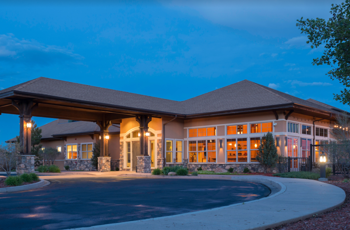 The Recovery Village Palmer Lake Drug & Alcohol Rehab
Palmer Lake, Colorado
-
Mile High Behavioral Healthcare - Aspen Miracle Center
Westminster, Colorado
-
The Salvation Army Adult Rehabilitation Center - Arvada
Arvada, Colorado
-
 Avenues Recovery Center at Denver
Aurora, Colorado
-
 Valley Hope of Parker
Parker, Colorado
Treatment
Treatment Setting
- Intensive outpatient treatment (IOP)
- Long-term residential
- Outpatient (methadone/buprenorphine or naltrexone treatment)
- Outpatient day treatment or partial hospitalization
- Regular outpatient treatment
- Residential detoxification
Treatment Approaches
- 12-step program support
- Anger control support
- Cognitive behavioral therapy (CBT)
- Motivational interviewing
- Relapse prevention support
- Substance use counseling
- Trauma-focused counseling
Additional Support and Services
- Case management support
- Integrated health care
- Mental health support
- Social skills training
Counseling and Education
- Family therapy
- General health education services
- Group therapy
- Job training and educational support
- One-on-one counseling
- Substance use education
Transition Support
- Discharge and next steps planning
- Ongoing recovery care
- Post-discharge follow-up
Testing & Pre-Treatment
- Comprehensive health checkup
- Mental health assessment
- Mental health screening
- Substance use assessment
- Substance use screening
Amenities and Experiences
Amenities
- Equine therapy
- Meditation rooms
Room Amenities
- Shared bathroom
- Shared room options
Activities
- AA/NA Meetings
- Yoga
- Animal-assisted therapy
- Gender-specific support groups
- Job training
- Life skills workshops
- Offsite outings
- Spiritual or faith-based services
Settings
- City
Ownership Type
- For-profit
Quality and Trust
Trust Score
A simple A–E grade that offers a quick view of how much confidence you might place in a facility. It’s not a guarantee of quality or outcomes, but a data-informed tool to help guide your search. More on our methodology.
The Joint Commission
The Joint Commission is one of the most trusted names in healthcare. If a rehab center has this accreditation, it means they meet strong national standards for safety, treatment quality, and staff training.
Learn moreReviews and Ratings
- The staff at Mile High Recovery Center are described as compassionate and genuinely invested in clients' success.
- The center fosters a strong sense of community, which is crucial for building lasting recovery relationships.
- Clients report significant personal growth and life changes as a result of the programs offered.
Popular Destinations
Loading...
-
Mountain Springs Recovery
Monument, CO
-
 The Haven Detox - Arizona
Green Valley, AZ
-
 Sierra Tucson
Tucson, AZ
-
 Monarch Shores
Dana Point, CA
-
 Chapters Capistrano
San Clemente, CA
-
 Red Ribbon Recovery Colorado Alcohol and Drug Treatment
Louisville, CO
-
 Turning Point Centers - Bell Canyon
Sandy, UT
Loading...
No results for your current selections
View all facilities in CaliforniaLoading...
No results for your current selections
View all facilities in ArizonaLoading...
No results for your current selections
View all facilities in FloridaHow we research treatment facilities
Across the site, our team has conducted over 1,000 pre-admissions calls to better understand the patient experience, interviewed facility clinical leaders, performed facility background checks, and compared our information against trusted public data sources.
Our research process begins with data from the Substance Abuse and Mental Health Services Administration (SAMHSA), accrediting bodies including The Joint Commission and CARF, government licensing agencies, and other trusted sources. From there, our team conducts significant original research, including:
- Pre-admissions calls: We speak with admissions staff to get a candid picture of patient experience.
- Background checks: We review complaints from past clients, media reports, actions taken by accrediting bodies, and positive recognition from notable organizations.
- Clinical interviews: We have in-depth conversations with clinical leadership, often lasting up to one hour, that give us a better understanding of clinical care.
- Data partnerships: We ingest and analyze exclusive data that provides information about in-network insurance status, cost, and more.
Research varies by facility. Each facility profile shows which research steps we completed and when each step was last performed. Learn more about our research process and background checks.
How we evaluate treatment facilities
These data help us develop a Trust Score for each facility—a simple letter grade that helps you assess how much confidence to place in a facility based on the information available to us. Trust Score considers accreditation, operating history, notable recognition, and concerns identified during our background check. Our Trust Score is an objective rating that is never influenced by advertiser payment. Learn more about our Trust Score methodology.
Important disclaimer
We cannot guarantee the quality of treatment at any facility. We cannot independently confirm the accuracy of every data point, and some information may become outdated or change over time. A Trust Score is a starting point, not a guarantee of treatment quality or outcomes. Please contact us if you would like to update or correct facility information.